
Dorothy Parker: Sharp-Witted Writer, Bitter Professor
Dorothy Parker’s year as a visiting professor shows how a celebrated literary voice struggled to adapt to the realities of academic teaching.

The Poet Who Writes About Vietnam in Hebrew
Vaan Nguyen’s poetry examines exile and memory through the lens of her family’s journey from Vietnam to Israel.

The Book That Became The Iron Giant
Before it was a cult classic, the Warner Bros. film began as a 1968 children’s novel by Ted Hughes, though the book and movie tell notably different tales.

When the Dust Settles in Colonial Manchurian Writing
Takagi Kyōzō makes heavy use of natural imagery to decry the miserable status of the settler colonist population in Japanese-occupied Manchuria.

Medieval Friendships: No Girls Allowed
Medieval European elites inherited the classical concept of friendship as something possible only for men. Christine de Pizan and Margery Kempe beg to differ.

Yeats and the Occult Imagination
Beneath his poems lay a lifelong devotion to magic, divination, and a visionary system that shaped his most prophetic work.

Poetry’s Vital Role in Politics
Like Walt Whitman before them, Joy Harjo and Amanda Gorman are reimagining what it means to be a poet in this democratic republic.

Caught in Partition’s Violent Fray
Published seventy-five year ago, Amrita Pritam’s Pinjar explores the devastation suffered by the women of India and Pakistan after political rupture.
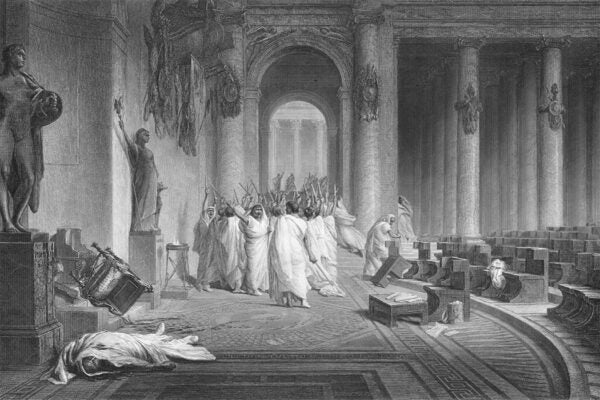
The Lessons of Due Process in Julius Caesar
Shakespeare's tragedy offers a telling parable about the administration of justice—and rife mishandling thereof—in our day.
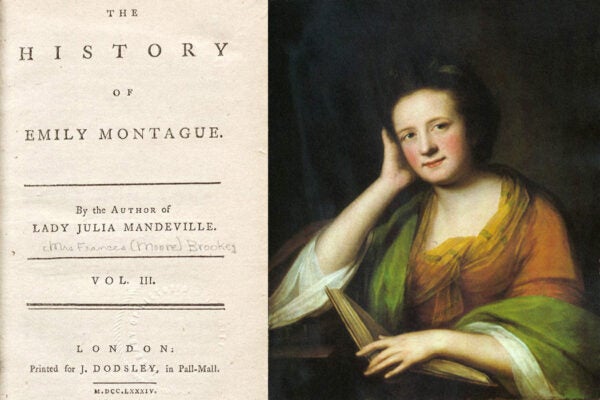
The First Canadian Novel
Often considered the first Canadian novel, The History of Emily Montague revealed its author’s true feelings about colonial Quebec.