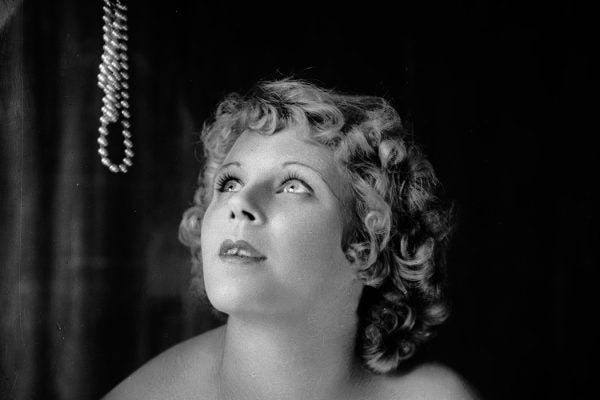

How Queer Jews Reclaimed Yiddish
Queer Yiddishkeit challenges the notion that Yiddish is inherently heteronormative or conservative.
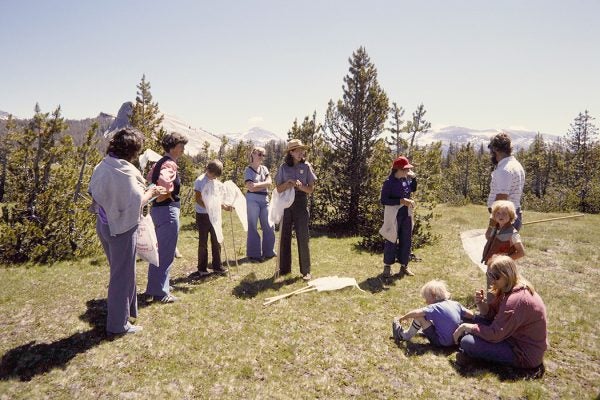
National Parks Are for Everyone
The majority of national park visitors—roughly seventy-eight percent—are white? Why, and why does that need to change?
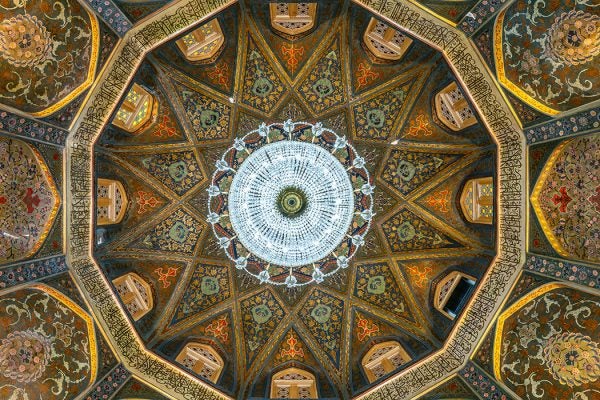
Scientific Seances in Twentieth-Century Iran
Spiritism appealed to Iranian intellectuals who sought to reconcile their commitment to science with their pursuit of moral reform.
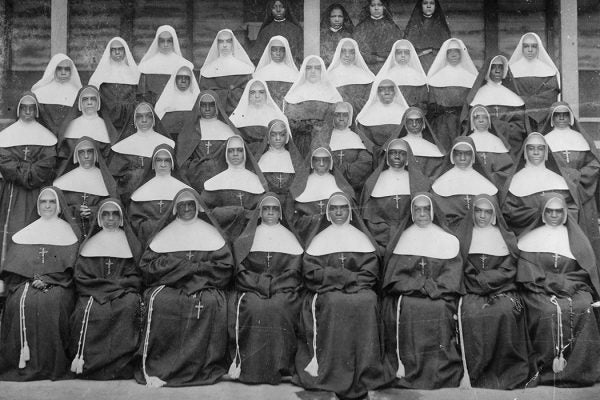
The Hidden History of Black Catholic Nuns
The lives and roles of African-descended women who joined predominantly white Catholic convents was deliberately hidden by congregational historians.
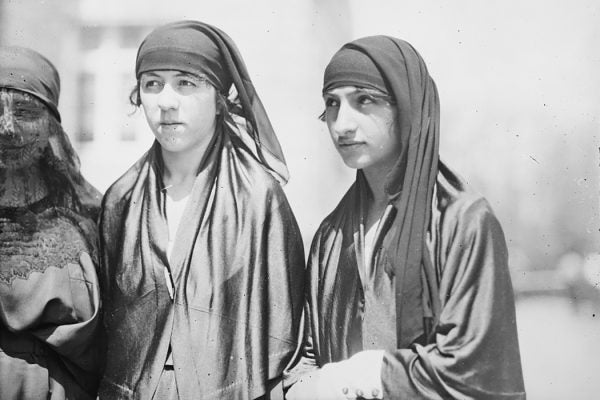

Betting on the Longshot
Researchers consistently observe that longshot horses are overvalued by bettors at the racetrack. Why are they willing to risk it all?

The History of Reproductive Rights: A Syllabus
A selection of stories on the history of reproductive rights and abortion to foster dialogue inside and outside of the classroom.
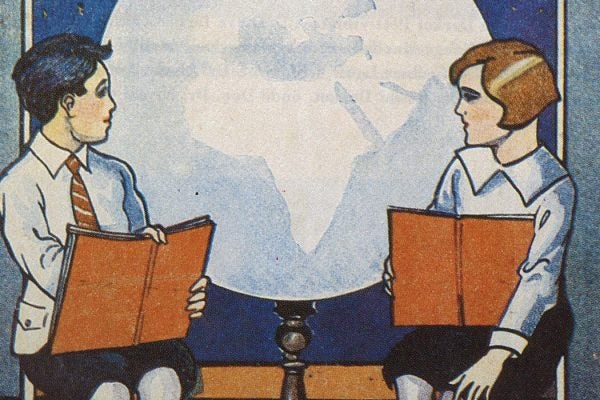
Teaching Citizenship in the Falling Ottoman Empire
In the nineteenth century, the state used a new education system to shape young citizens' attitudes toward a shrinking empire and the emerging Republic.
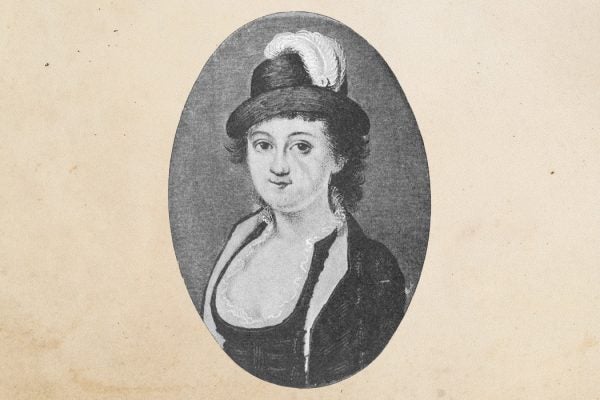
Meet Eva Frank: The First Jewish Female Messiah
Was this revered female figurehead an empowered leader or a tragic victim in her father's wake?