
Rights of Nature: A Reading List
What would it mean for rivers, forests, and animals to have legal rights? A global movement is rethinking law’s relationship to nature.

The Fires This Time
To understand current mass burning events better, scientists are turning to the phenomenon known as the Medieval Climate Anomaly.

Za’atar: From Ancient Texts to Modern Conflict
More than an herb, za’atar shapes, narrates, and anchors identity and political dynamics of the Eastern Mediterranean and Sinai Peninsula.

The Hidden Aesthetics of Early Astrophotography
Behind the transformative star photographs of the 1880s lay a complex collaboration between astronomers and engravers.

Designing for Community and Climate in Los Angeles
How can we design public spaces that help people thrive and connect—with each other and with their environment?

Playing with Consciousness
Out-of-the-ordinary mental states are the goal of many religious rituals, but they’re also important in “playful” situations like kids’ games and fraternal hazing.
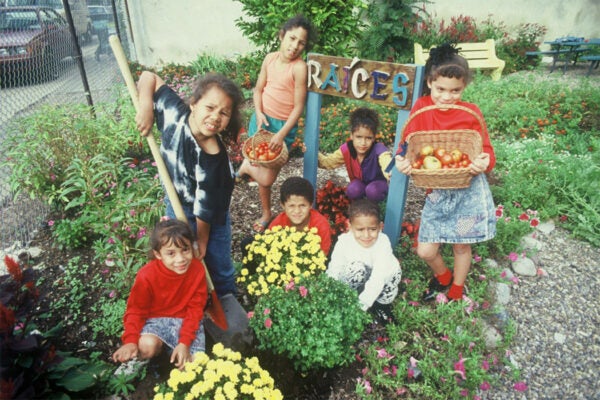
Greening Philly’s Neglected Lots
Spearheaded by the Pennsylvania Horticultural Society, an urban beautification program transformed neighborhoods in the city of brotherly love.
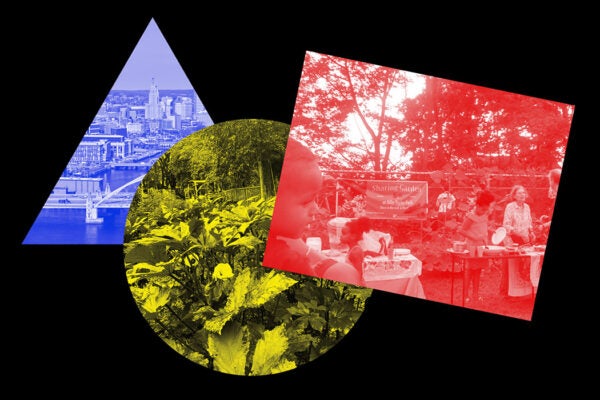
In the Sharing Garden
How one family physician fosters food justice, social connectivity, and better health at a local community garden.
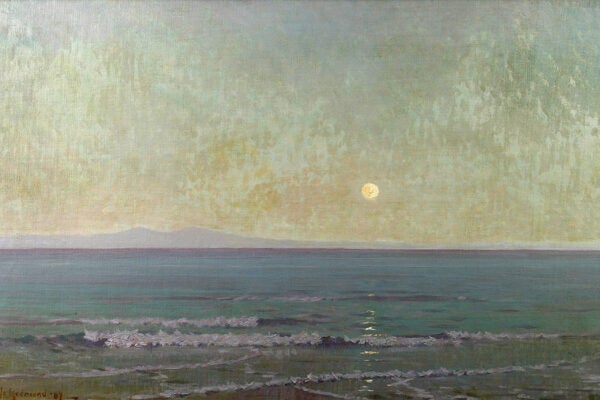
Explaining the Tides Before Newton
Astronomical explanations for tides, usually credited to Isaac Newton, can be traced to thinkers like Strabo and Pliny in the Classical era.
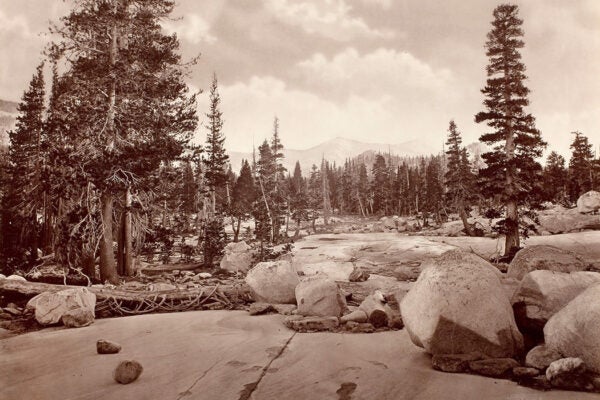
Living Laboratories: Science and the National Parks
National parks in the US are filled with glaciers and volcanoes, which isn't an accident, as the parks developed alongside the sciences of glaciology and volcanology.