
The Medicinal Wood That Turned Water Blue
For nearly half a millennium, botanists sought the "true" identity of Lignum nephriticum, a mysterious marvel that confounded early modern science.

Za’atar: From Ancient Texts to Modern Conflict
More than an herb, za’atar shapes, narrates, and anchors identity and political dynamics of the Eastern Mediterranean and Sinai Peninsula.
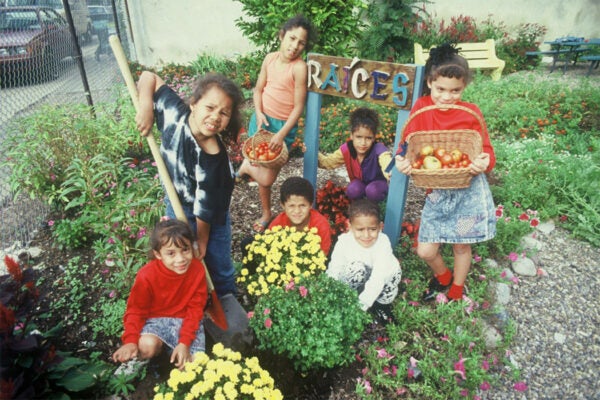
Greening Philly’s Neglected Lots
Spearheaded by the Pennsylvania Horticultural Society, an urban beautification program transformed neighborhoods in the city of brotherly love.
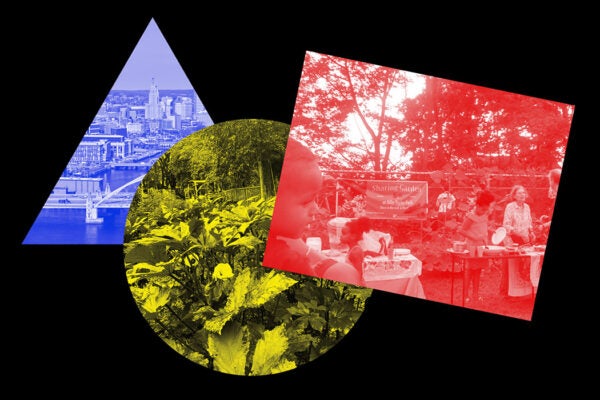
In the Sharing Garden
How one family physician fosters food justice, social connectivity, and better health at a local community garden.
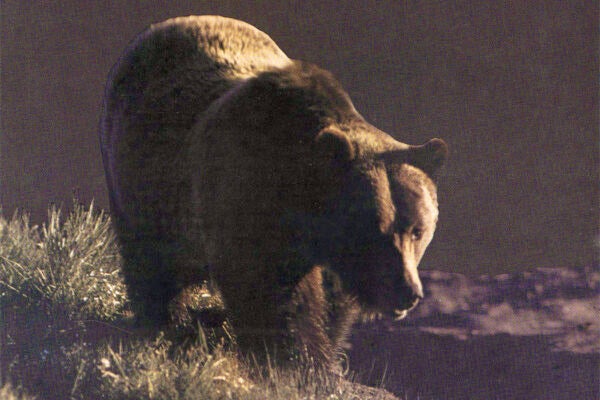
The Tamest Grizzly of Yellowstone
Adored by tourists and studied by scientists, a grizzly mother named Sylvia became an emblem of the fragile balance between humans and the wild.
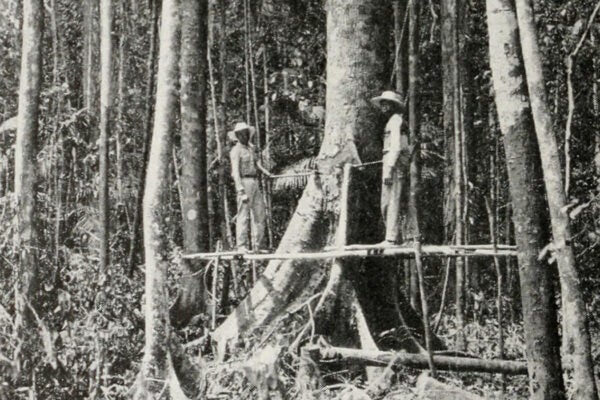
The Mythical Mahogany that Helped Build the American Empire
How “Philippine mahogany” became America’s tropical timber of choice, thanks to a rebrand from a colonial logging company that drove deforestation.
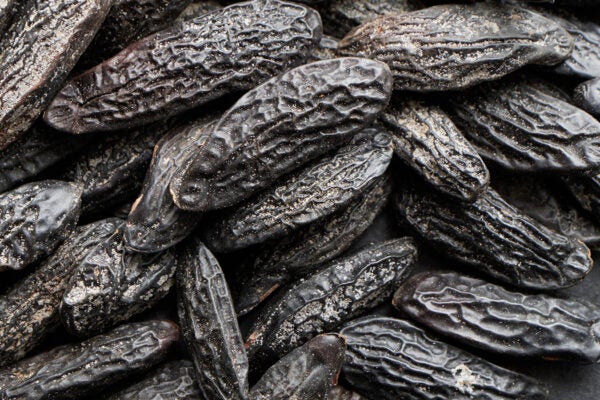
Tonka Bean: The Tale of a Contested Commodity
The rise and fall of the sweet-smelling seeds of Dipteryx odorata stands in stark contrast to the tree’s lasting presence in global markets.
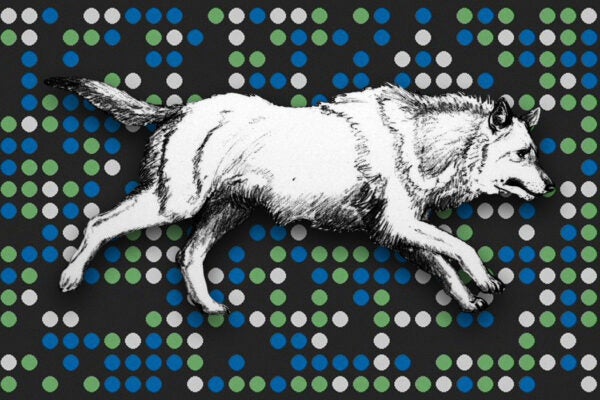
“Playing God” with De-Extinction
As tech companies tout successes in bringing back the likes of the long-gone dire wolf, they must grapple with accusations such innovation is immoral. Why isn’t it?
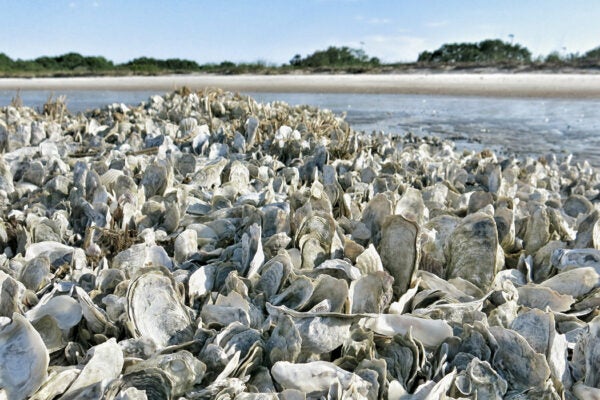
Shucking the Past: Can Oysters Thrive Again?
Dredging and pollution devastated the once-bountiful reefs. Careful science may help bring them back.
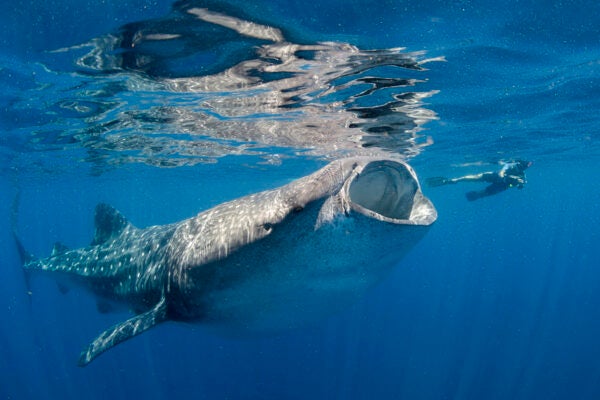
A Whale of a Shark
The largest fish, Rhincodon typus, is obviously not a whale, but it’s also unusual for a shark.