In some ways, the entire mission of JSTOR Daily is about media literacy. Our goal is to provide scholarly context to the news using the methodical thinking that goes into careful research. Any story you read on the site does this work, which becomes more important as disinformation circulates on the internet. That said, the following stories take “fake news” and media literacy head on, suggesting lessons from the past and steps we can take now to educate ourselves and our students about how to be thoughtful consumers of information.

To Fight Fake News, Broaden Your Social Circle
January 15, 2019
Fake news is spread through online communities that become echo-chambers of like-minded ideas. What's your online community like?
Four Hard Truths about Fake News
November 30, 2016
Skeptical, self-aware interaction with digital data is the critical foundation upon which democracy may be maintained, explains media scholar Alexandra Juhasz.
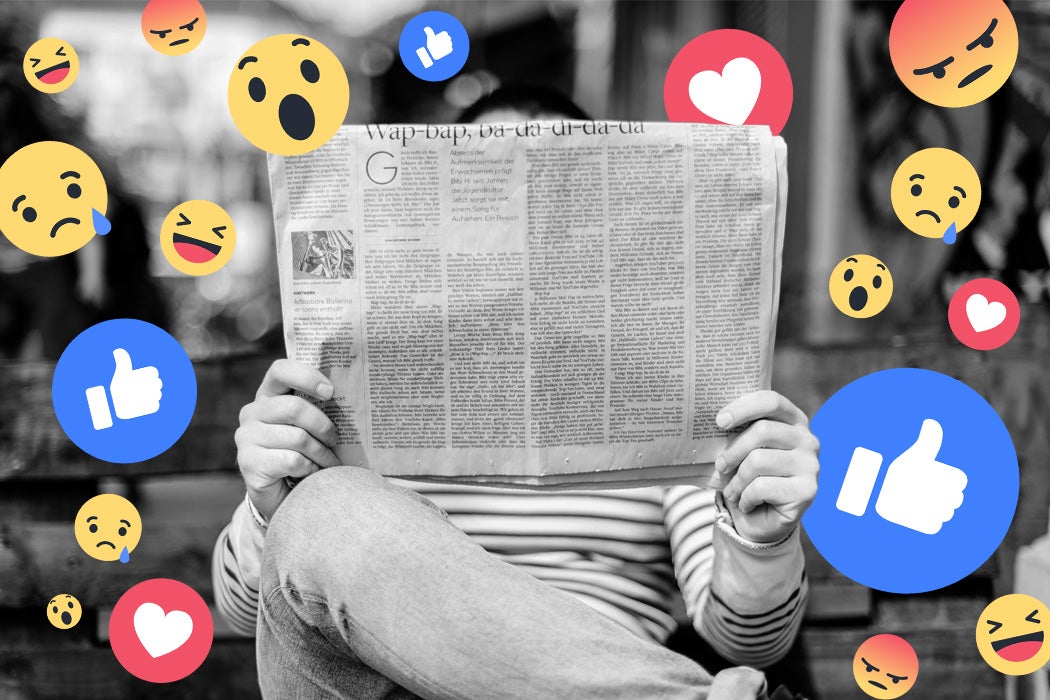
The Incredibly True Story of Fake Headlines
November 20, 2019
Are you still reading? Editors frequently use this space to include important contextual information about a news story.
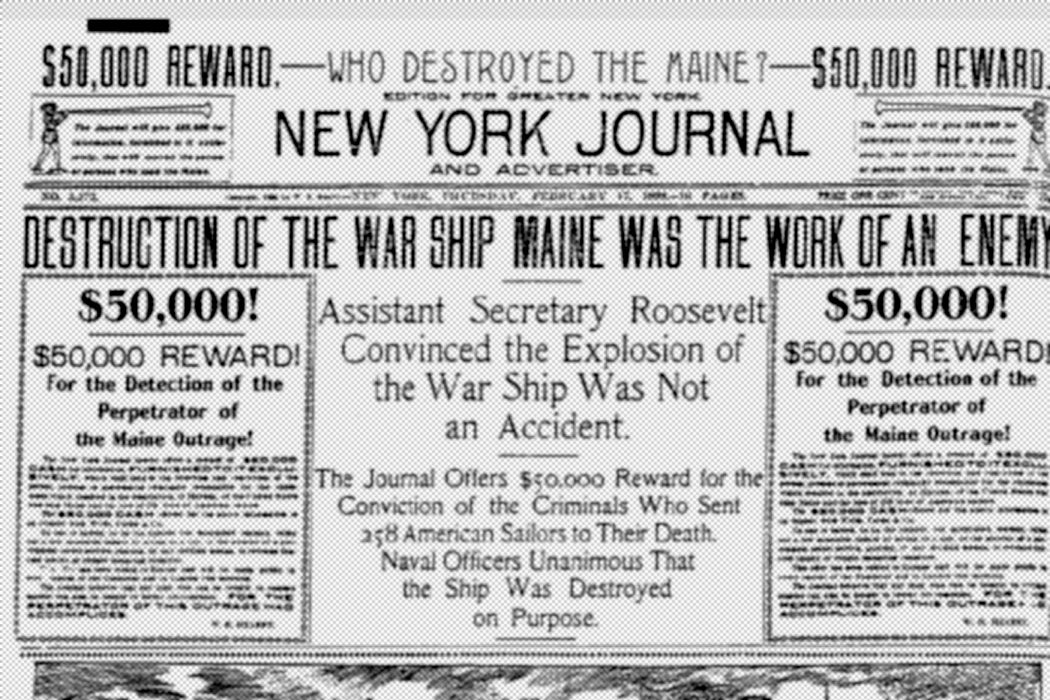
To Fix Fake News, Look To Yellow Journalism
November 29, 2016
Fake news has plenty of precedents in the history of mass media, and particularly, in the history of American journalism.

To Predict the Role of Fake News in 2020, Look to Canada
October 15, 2019
Canada has taken steps to address the potential for online misinformation ("fake news") in its upcoming election, but the internet changes rapidly.

The Collapse of Meaning in a Post-Truth World
December 21, 2016
2016 was certainly an unstable time in history. Even the way we use language to convey our collective fears about the state of society seems fractured.
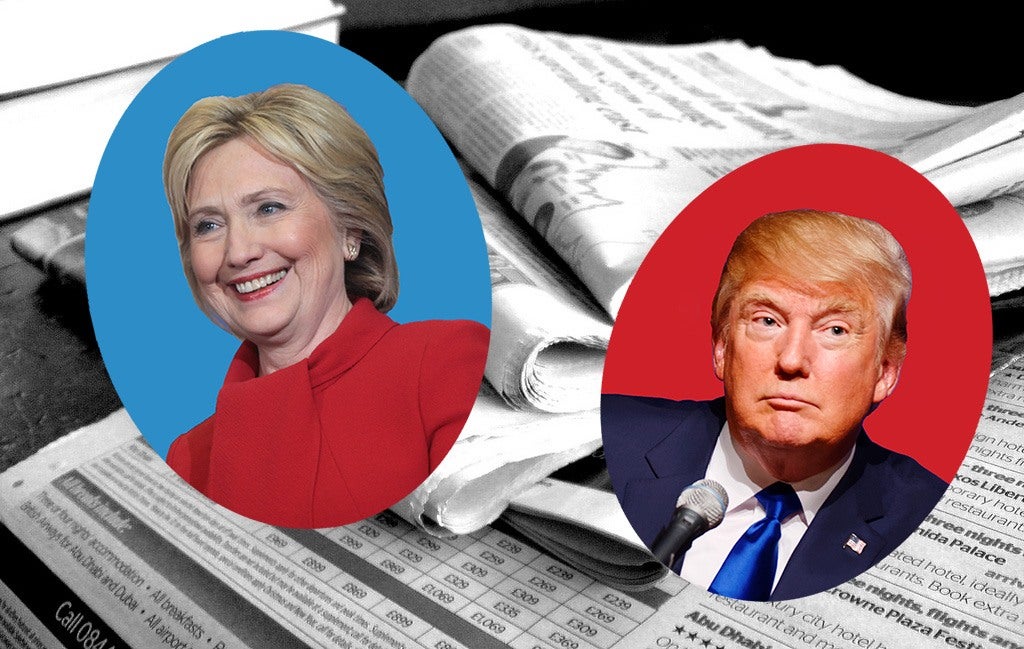
When Does Truth Trump Bias?
August 2, 2016
In the wake of both national conventions, how do we find truth and how do journalists represent it without being too biased or too neutral?

Is Fan Fiction a Helpful Literacy Tool?
December 17, 2018
Some teachers are adapting to the internet age by trying to understand the "new literacies" of today's students.

Visual Literacy in the Age of Open Content
October 14, 2015
We need a visual literacy to help us negotiate new ways of seeing, but also new ways of accessing, manipulating, and reusing visual content.

Why Bias Helps News Channels—and Maybe Viewers Too
March 9, 2015
According to a 2005 paper about bias in newspapers, reporting that tries to play things straight down the middle isn't necessarily a winning move.