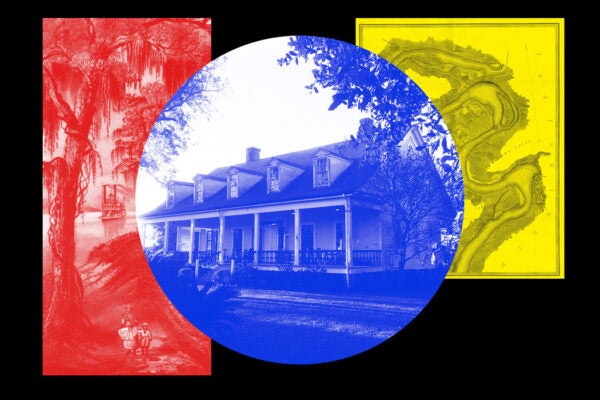
We Descend from the River
Public spaces are often sites of commemoration of events in the nation’s history. But which public is represented in and served by those spatialized celebrations?
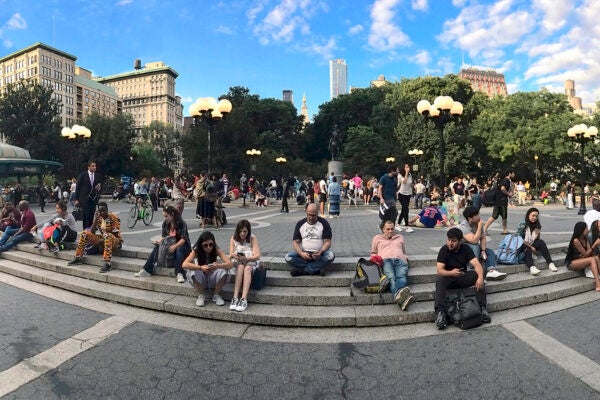
Perspectives on Public Space: A Reading List
This list introduces some of the main debates about public space, from park politics to political protest, public expressions of sexuality to safety and security.
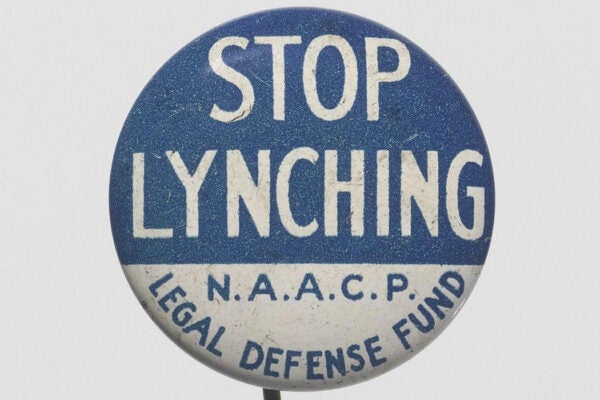
“Lynch Law in America”: Annotated
Ida B. Wells-Barnett, whose January 1900 essay exposed the racist reasons given by mobs for their crimes, argued that lynch law was an American shame.
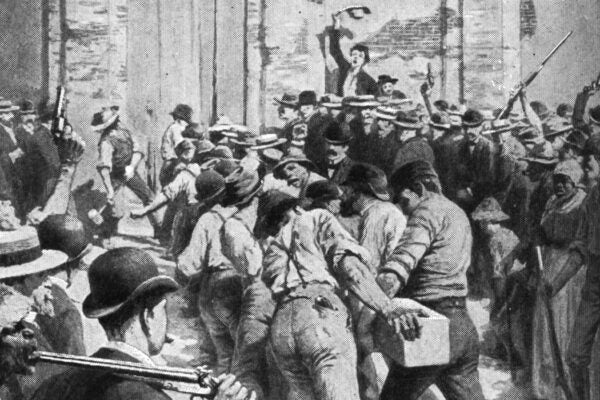
Attacking Italians in Louisiana
Italian immigrants had no qualms about working and living alongside Black Americans, which made them targets for violence by white vigilantes in Louisiana.
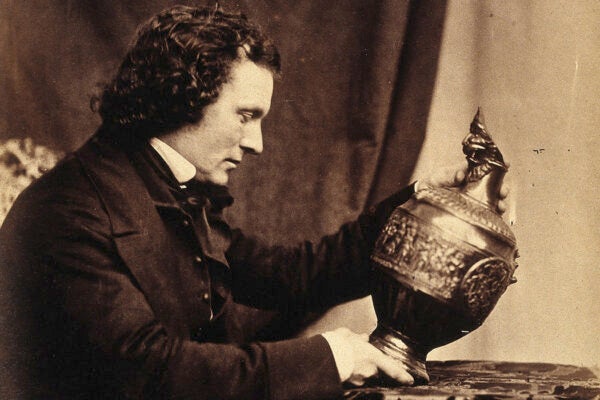
The Care of the Dead: A Reading List
An interdisciplinary bibliography exploring the care of the dead and how our final choices are shaped by culture, religion, economics, technology, and war.

Whiskey, Women, and Work
Prohibition—and its newly created underground economy—changed the way women lived, worked, and socialized.
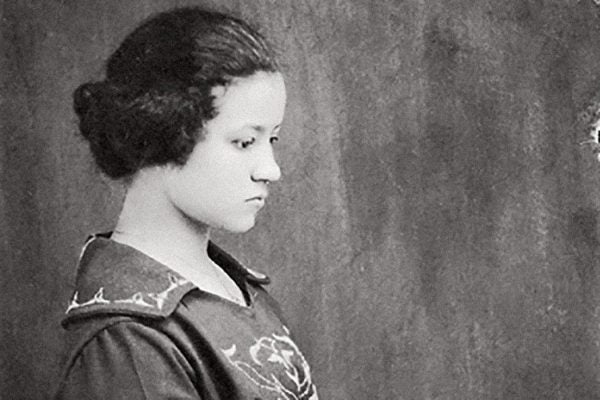
Challenging Race and Gender Roles, One Photo at a Time
Florestine Perrault Collins escaped the bounds of prescribed gender roles and racial segregation to run a successful photography studio in 1920s New Orleans.
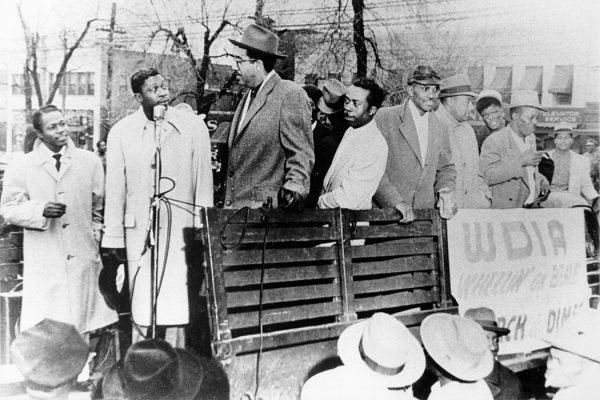
How Black Radio Changed the Dial
Black-appeal stations were instrumental in propelling R&B into the mainstream while broadcasting news of the ever-growing civil rights movement.
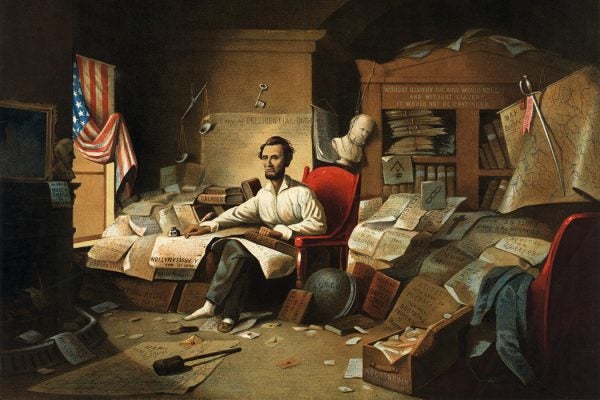
The Emancipation Proclamation: Annotated
Abraham Lincoln proclaimed freedom for enslaved people in America on January 1, 1863. Today, we've annotated the Emancipation Proclamation for readers.
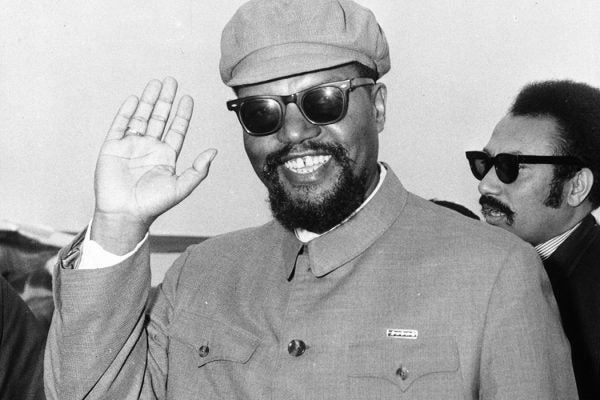
Armed Self-Defense in the Civil Rights Movement
When idealistic nonviolent activists encountered violence in the South as they registered Black voters, local leaders lent them protection.