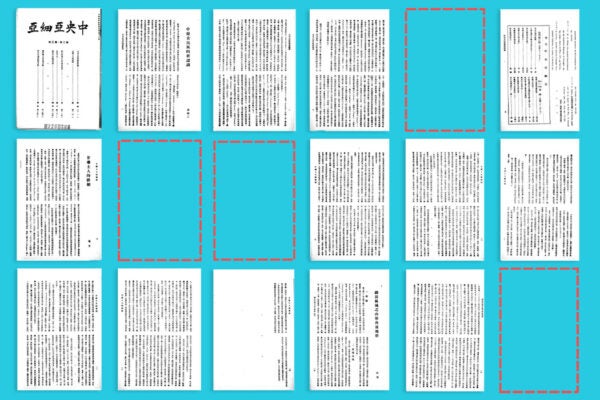
On The Fragility of Our Knowledge Base
Historian Glenn D. Tieffert shows how state interests in the People’s Republic of China can be protected by editing online databases and collections.
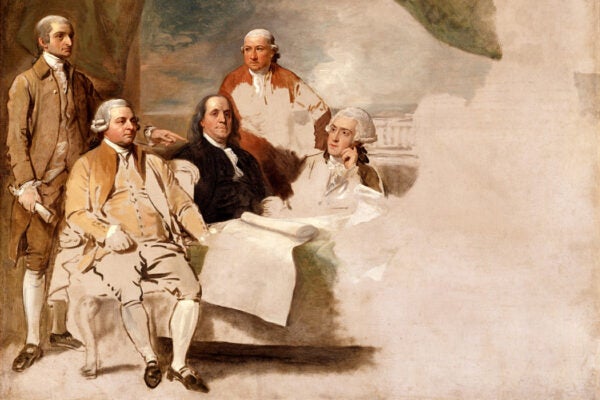
The Treaty of Paris 1783: Annotated
The Treaty of Paris marked the end of the Revolutionary War and the hostilities between Great Britain and the newly independent United States—at least temporarily.
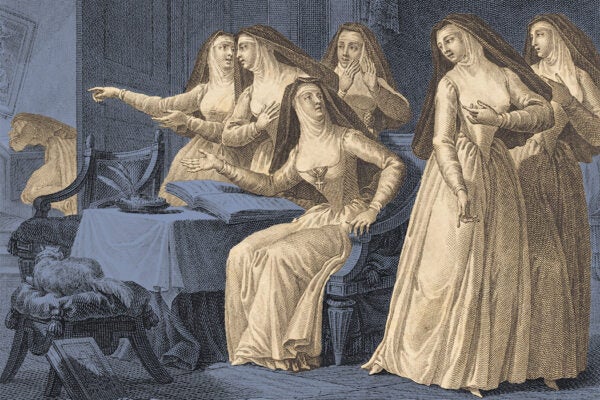
A Mother Superior’s Demons
What does it mean when an entire convent of Urusline nuns appears to be possessed by demons? Many things, as it turns out.

Andrew Jackson’s Speech on the Indian Removal Act: Annotated
In December 1830, two months after the passage of the Indian Removal Act, President Andrew Jackson used his annual Congressional message to celebrate the policy.
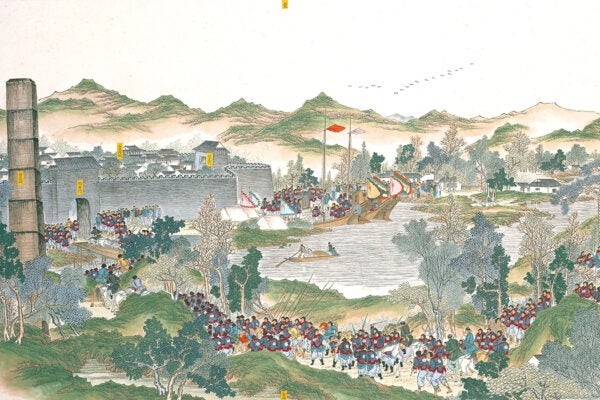
Taiping: China’s Nineteenth-Century Civil War
Partially coinciding with the American Civil War, the Taiping “Rebellion” in China was one of the most destructive conflicts in history.

9 Ways to Create an “Intellectually Humble” Classroom
A university faculty member offers practical pedagogical steps to incorporate in the classroom to foster an intellectually humble environment.
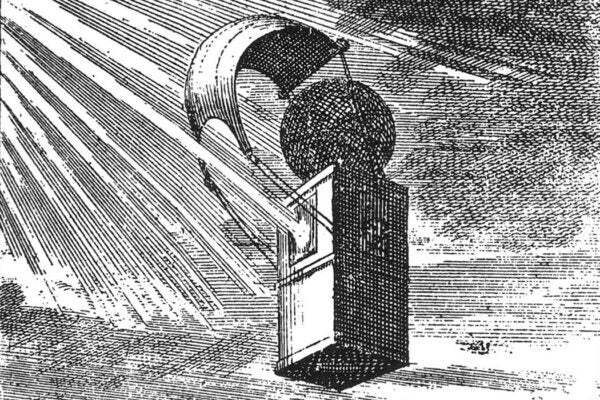
The Seventeenth-Century Space Race (for the Soul)
The astronomical discoveries of the 1600s—such as Saturn’s rings—prompted new questions about the structure of the cosmos and humans’ place in it.

Islands in the Cash Stream
Tiny island states, usually former British colonies, have been re-colonized by global finance and now depend on “archipelago capitalism” for survival.
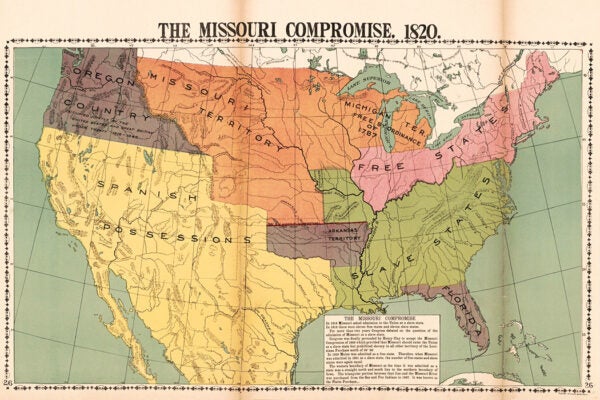
Missouri Compromise of 1820: Annotated
The “compromise” attempted to answer the question of whether the Missouri territory would be admitted to the Union as a “slave” or “free” state.
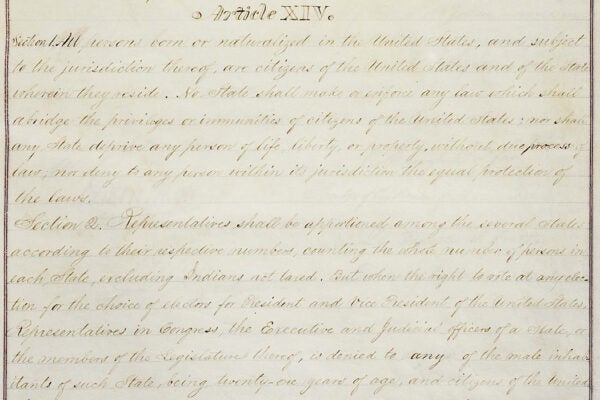
The Fourteenth Amendment: Annotated
Adopted in 1868, the Fourteenth Amendment to the US Constitution addresses citizenship rights, due process, and equal protection under the law.