On a February day in 1597, flurries of snow caught in the low winter sun, twenty-six priests in rough woolen black and brown cassocks were marched through Nagasaki toward Nishizaka Hill. There, seventeen Japanese Franciscans, three Japanese Jesuits, four Spanish Franciscans, and a Portuguese and Mexican member of that same order were crucified. Such a demeaning execution was meant to evoke the most famous of crucifixions, when Christ yelled out “My God, My God, why hast thou forsaken me?” and seemed to briefly consider atheism.


In largely Catholic Nagasaki, the faith went underground during the Tokugawa shogunate, and it wouldn’t be until the nineteenth century that Christians would once again worship openly. In honor of that restoration, the French missionary Bernard Petitjean established the Immaculate Conception Cathedral, constructed on the site where, for two centuries, “hidden Catholics” were forced to trample upon crucifixes and medallions depicting the Virgin Mary. Established in 1895, the Immaculate Conception Cathedral was completed thirty years later, consecrated to the memories of St. James Kisai, St. Paul Miki, St. Philip of Jesus, and St. Francisco Blanco and decorated with statues of Christ and the Blessed Virgin.
On August 9, 1945, the church was filled with parishioners preparing for the Feast of the Assumption of Mary when, only five hundred meters from the sanctuary, a fissionable plutonium device code-named “Fat Man” was dropped by the United States. The resultant nuclear explosion instantly incinerated every worshiper.
As a parable, the story of the Immaculate Conception Cathedral demonstrates something about the scandal of faith in modernity. The horrors of both the Holocaust and Hiroshima put the venerable philosophical questions of theodicy—How could an all-powerful and all-good God allow for evil?—into stark and visceral relief. For many, no doubt, there was a sense that the traditional understanding of God was at best naïve and at worst an obscenity. For a contingent of radical theologians sometimes referred to as the “God is Dead” movement, there developed a sense that orthodox approaches to faith were now clearly unjustifiable, but that religious history and thought still provided a potent poetics for understanding God’s silence. Immaculate Conception Cathedral, after all, was witness not just to suffering in the twentieth century, but for its entire history, and radical theologians serve to understand and draw from those past confrontations with God as surely as they did with current suffering as well.
Eschewing both the reductionism of uncomplicated belief and disbelief, being neither the traditionally faithful nor atheistic, radical theology took religion seriously but aimed to construct revolutionary and liberatory understandings of myth, ritual, and scripture that could speak to the dearth of meaning in our contemporary moment. If anything, there was a sense that religion was too important to be left to the religious, and that in the example of past idiosyncratic, eccentric, or iconoclastic thinkers and movements, there could be a way to model more emancipatory practices and theologies for the future. Radical theology is a broad congregation, but as an approach what it shares is an acknowledgement of how damaging orthodox modes of belief can be, with a utopian desire to forge a new way of worshiping, praying, contemplating, and agitating.
“Theology is now called to listen fully to the world,” wrote Thomas J. J. Altizer in his controversial 1966 The Gospel of Christian Atheism, “even if such listening demands a turning away from the church’s witness to Christ.”
In the middle of the twentieth-century, theologians such as Altizer found a home in many mainstream seminaries, exploring what it would mean to have faith in a disenchanted world, to formulate prayers to a dead God. Often gnomic, aphoristic, oracular, and prophetic, radical theologians including Altizer, Gabriel Vahanian, William Hamilton, Mary Daly, and Richard Rubenstein were featured in popular publications like Time magazine, courting controversy through paradox and poetics, formulating new ways to talk about the transcendent. Influenced by figures like Friedrich Nietzsche and Paul Tillich, and in turn influencing a later generation of writers and scholars such as John Caputo, Slavoj Zizek, and Peter Rollins, radical theology can be a hermetic but rewarding corpus of work for the faithful atheist, the doubting believer, the joyful heretic and the ecstatic blasphemer. A contested discipline, theory, methodology, and movement, radical theology is at its core about attempting to discover the revolutionary potential of religion, despite faith’s own worst intentions.
More than just a movement from the middle of the past century, more than just an approach or a theory or a philosophy, radical theology is a disposition, an attitude, and a vibe for those who can’t help but orient themselves to the divine, despite its many failures.
In the Beginning—Precursors
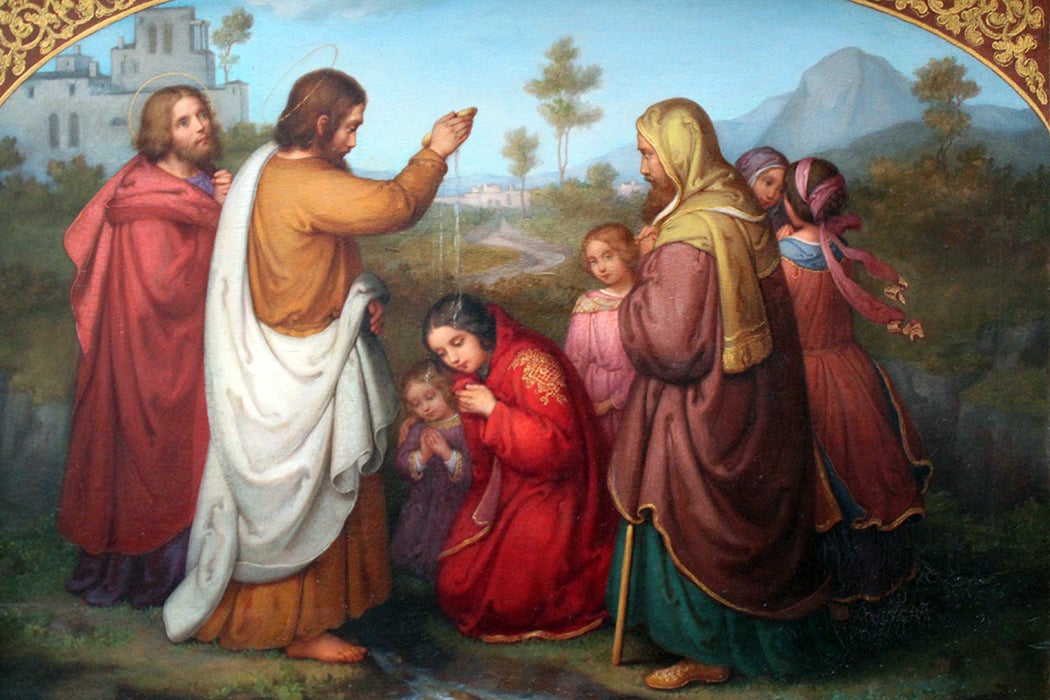
Women’s Search for Women Leaders in the Early Church
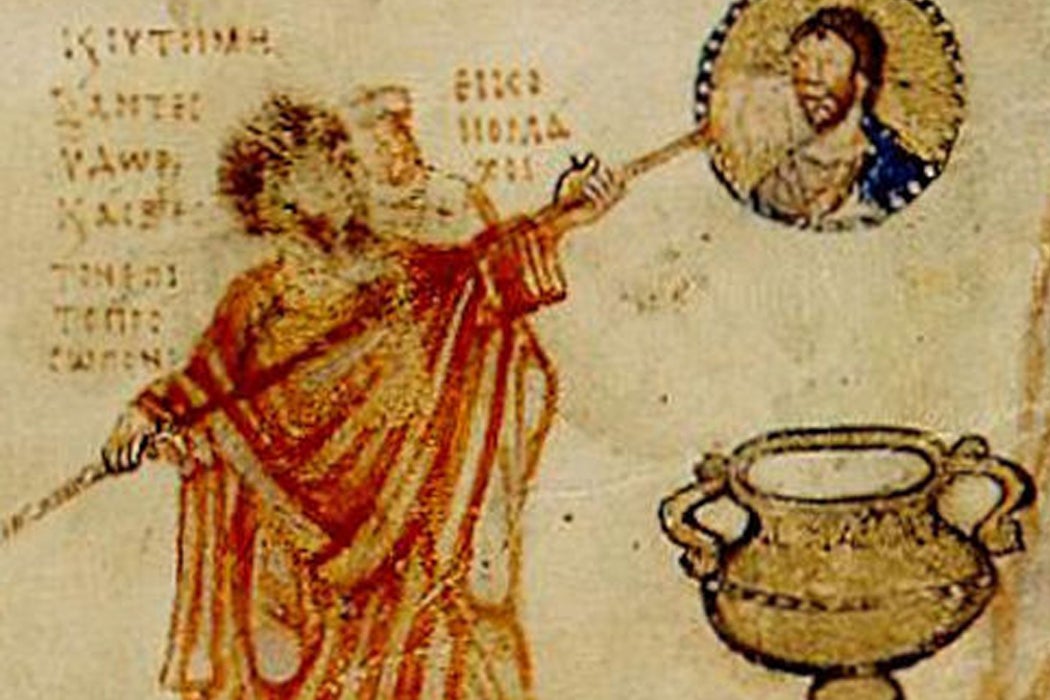
A Short Guide to Iconoclasm in Early History
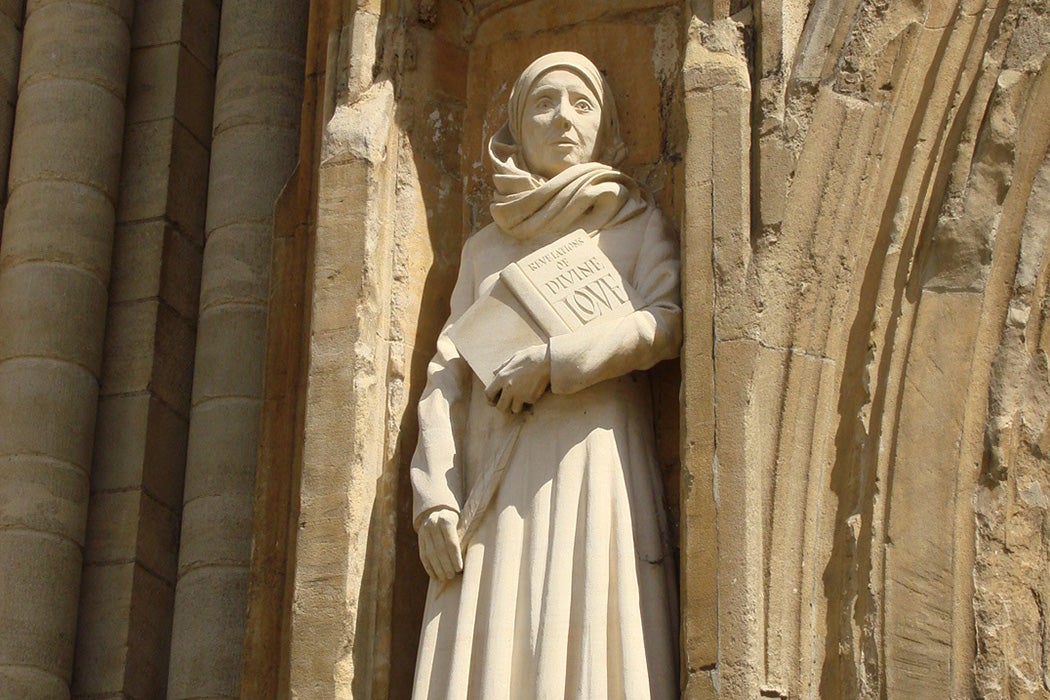
Julian of Norwich, Anchoress and Mystic
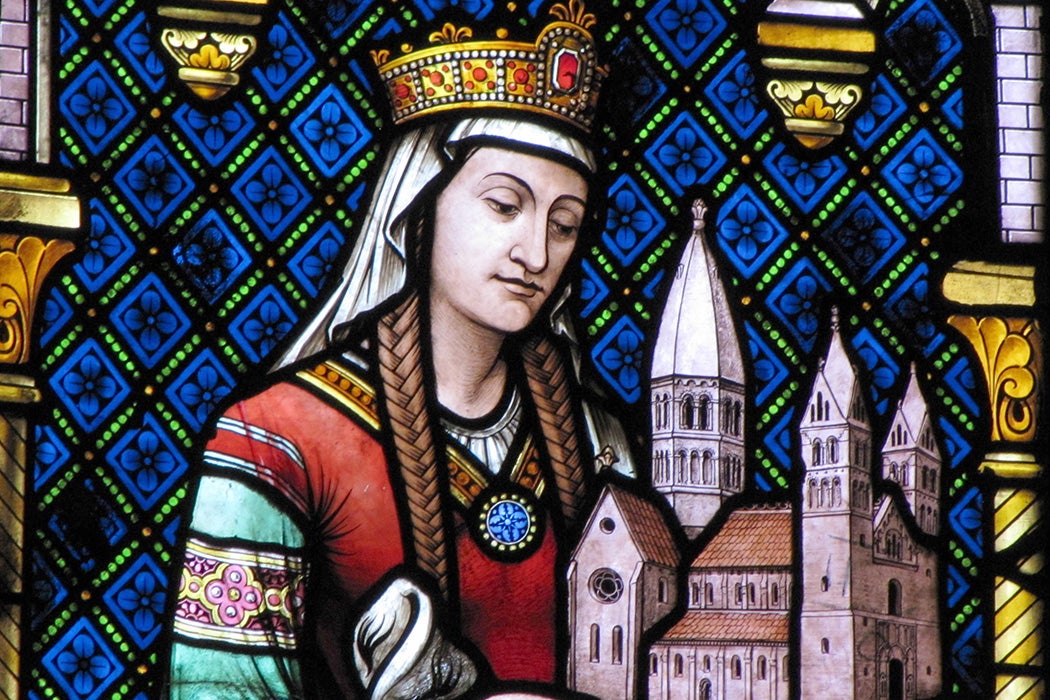
Abortion Remedies from a Medieval Catholic Nun(!)
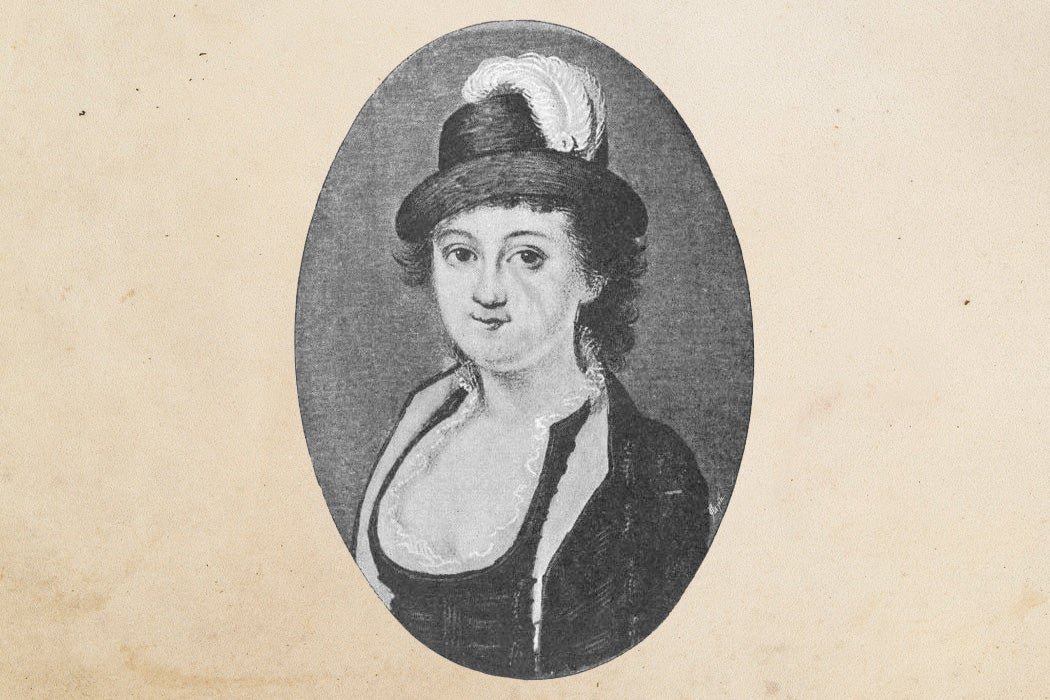
Meet Eva Frank: The First Jewish Female Messiah
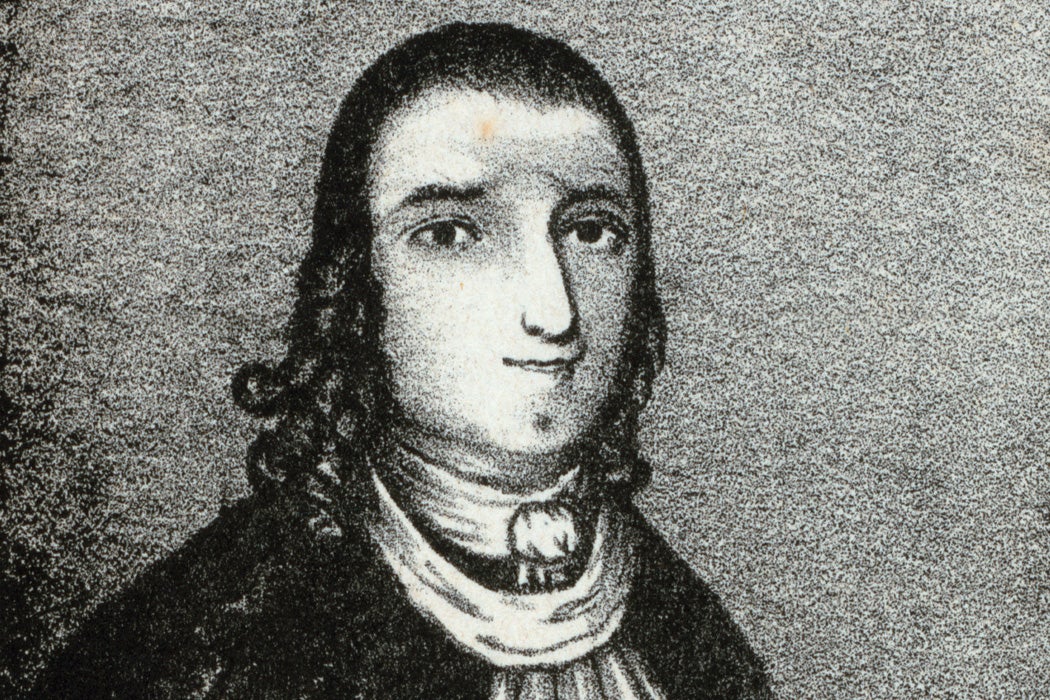
The Genderless Eighteenth-Century Prophet

The Oneida Community Moves to the OC
The World Turned Upside Down—Carnival and Revolution
Satan, the Radical
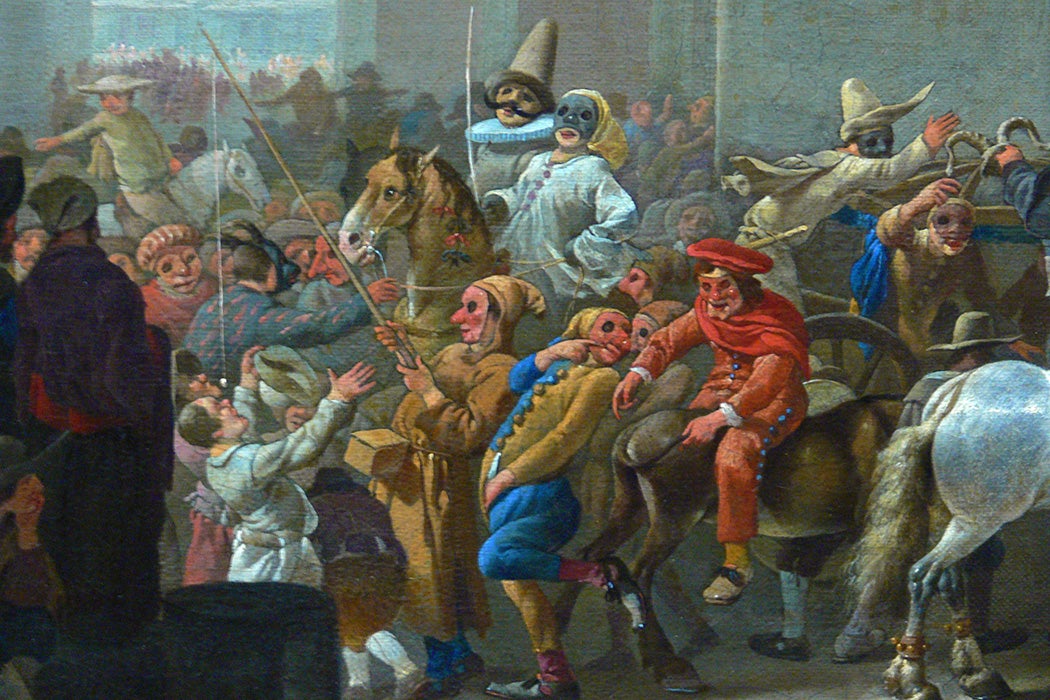
Is It Really Carnival if You’re Not Drunk?
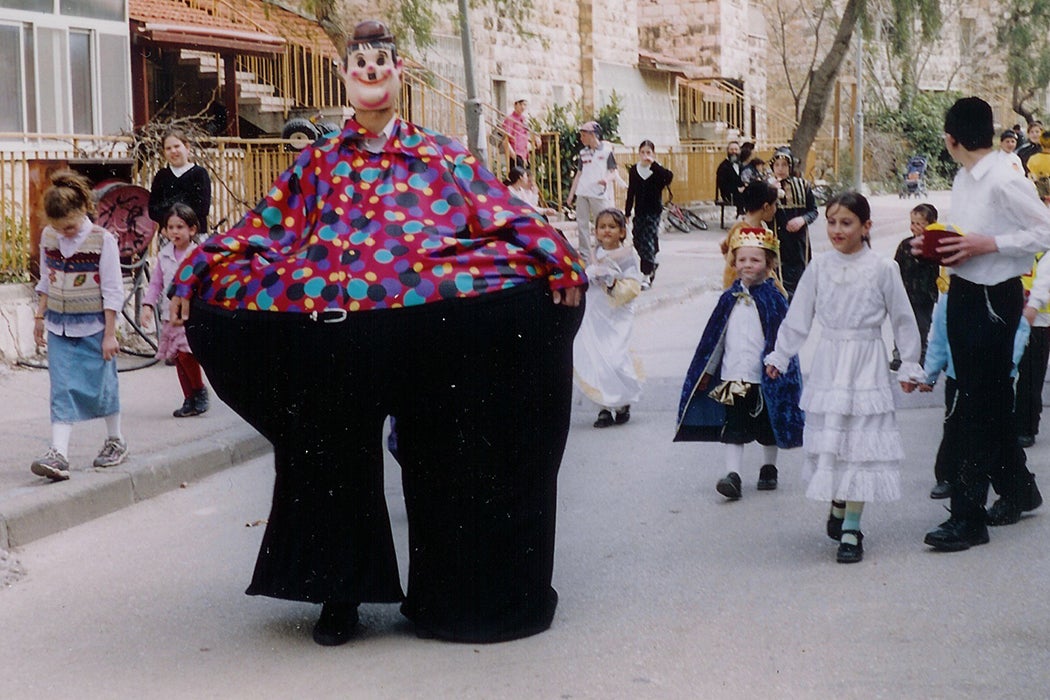
The Bacchanalian, Drunken, Role-Switching Carnival of Purim
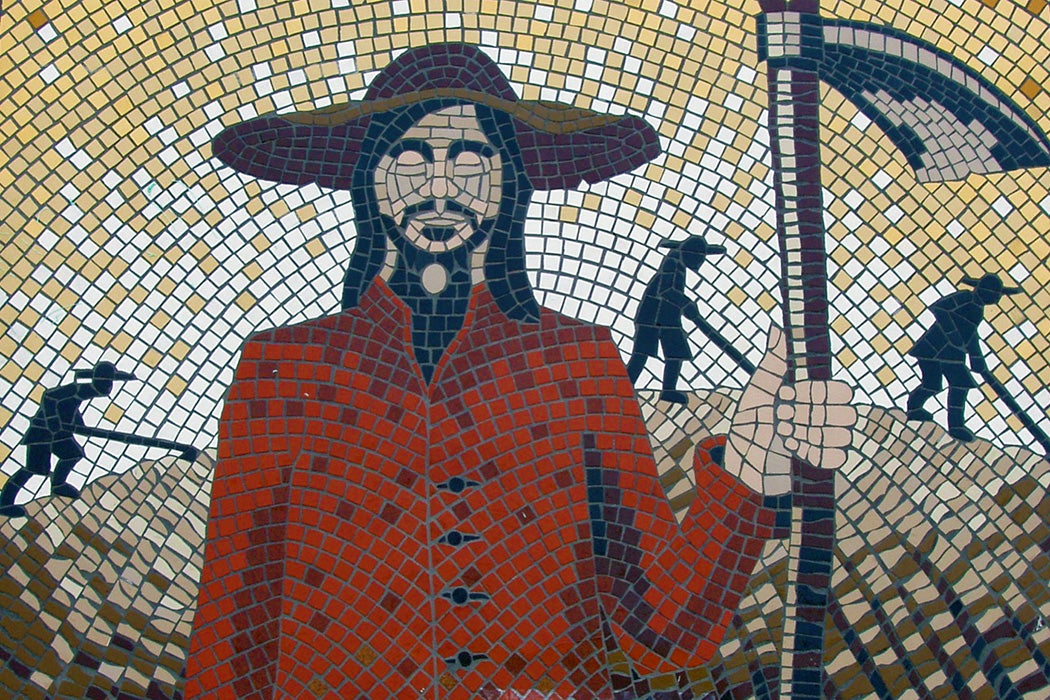
What Did the Diggers Really Believe?
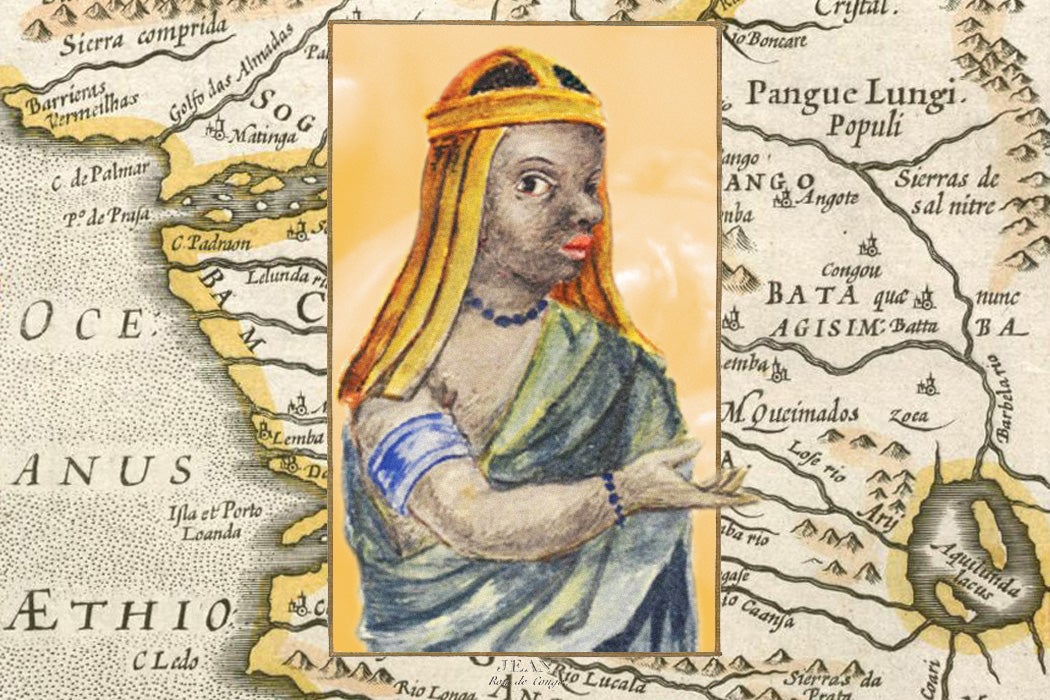
Did Kongolese Catholicism Lead to Slave Revolutions?
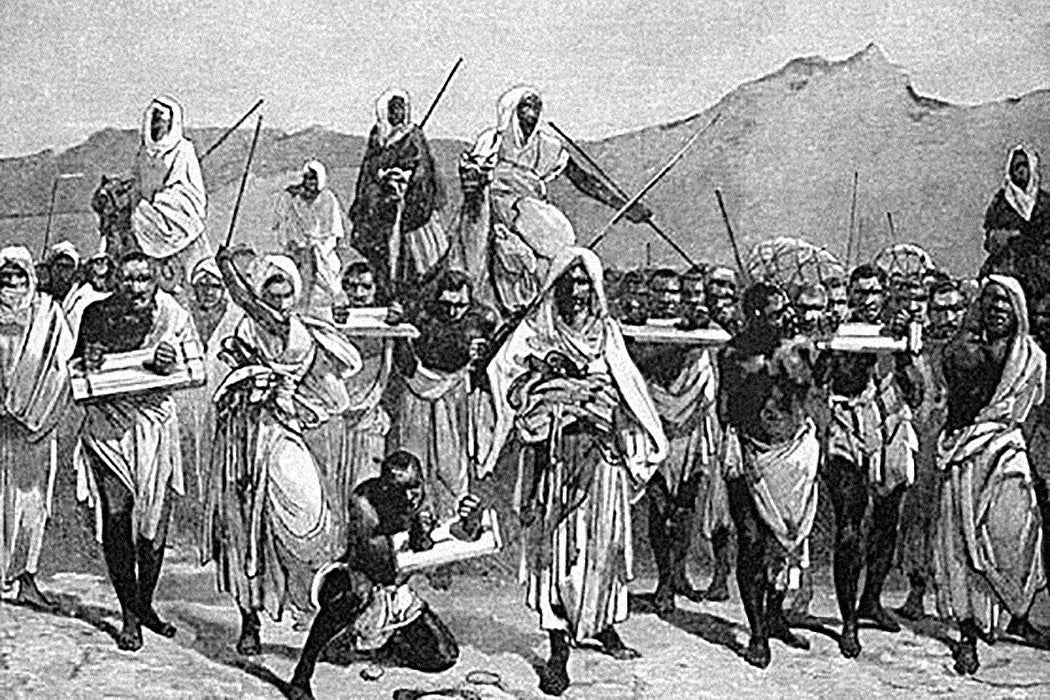
What Was the Zanj Rebellion?
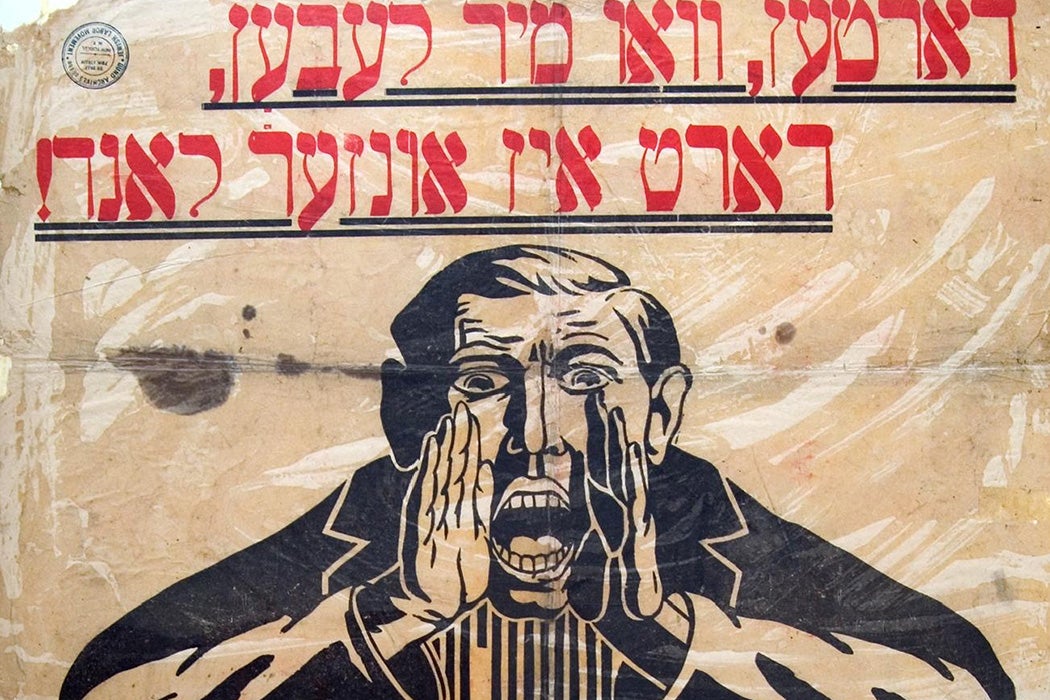
How the Jewish Labor Bund Changed After World War II
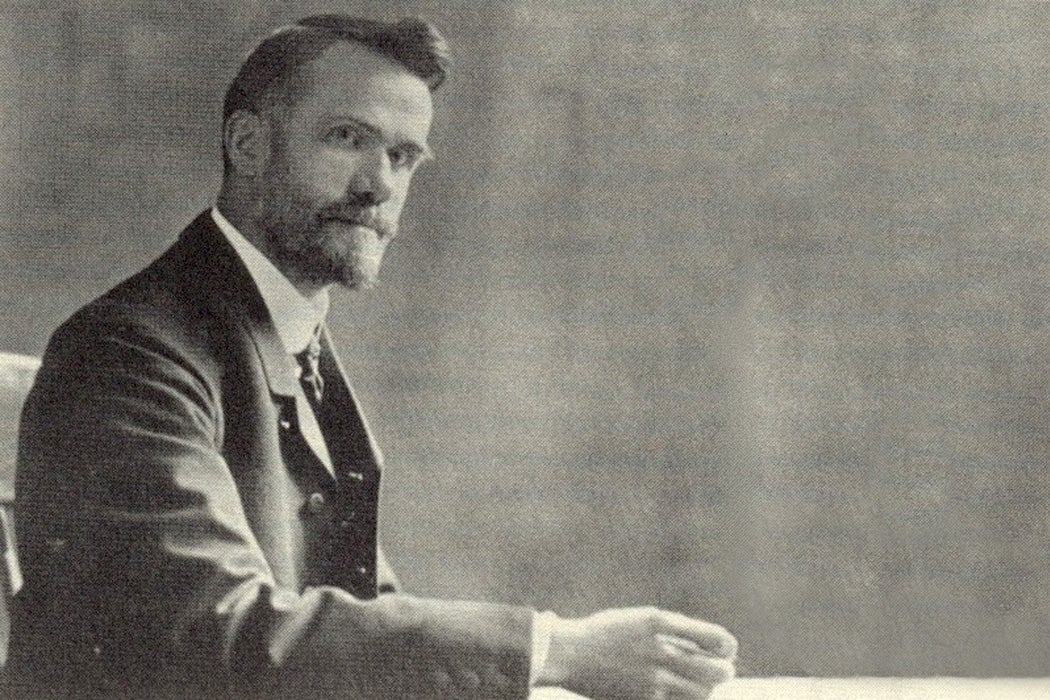
When Christian Evangelicals Loved Socialism
The Uncertain Future of the Religious Left
The Gendered God—Feminist and LGBTQ+ Approaches
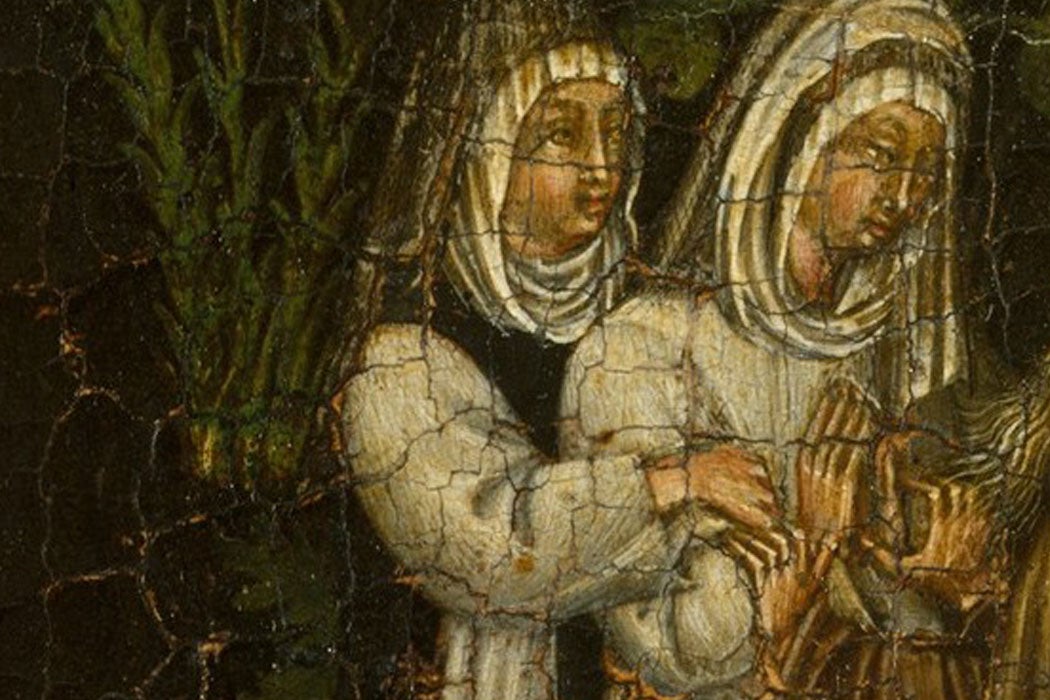
Lesbianism (!) at the Convent

Feminism’s Hidden Spiritual Side

The Shaker Formula for Gender Equality
When Adventists and Mormons Turned Sex-Positive
Whatever Happened to Evangelical Feminism?
Mosques of Their Own
How Queer Jews Reclaimed Yiddish

Women Clergy and the Stained-Glass Ceiling

What Helps Gay Christians Feel Welcome at Church?

Queering the Christian Experience
Into the Mystic—Enchantment and Transcendence
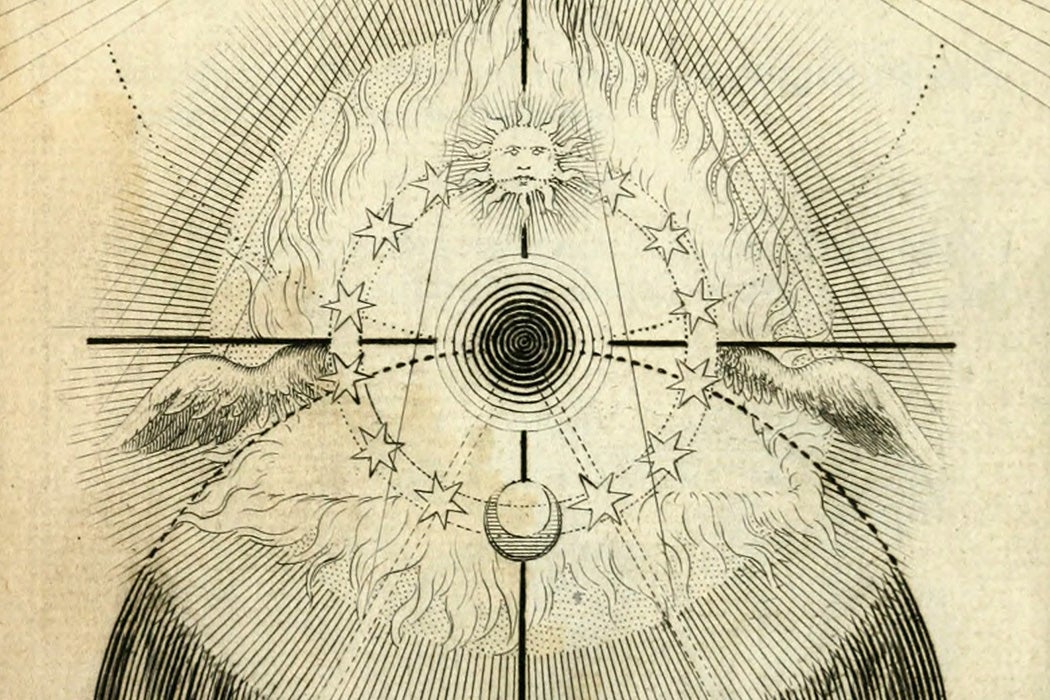
The Changing Meaning of “Mysticism”
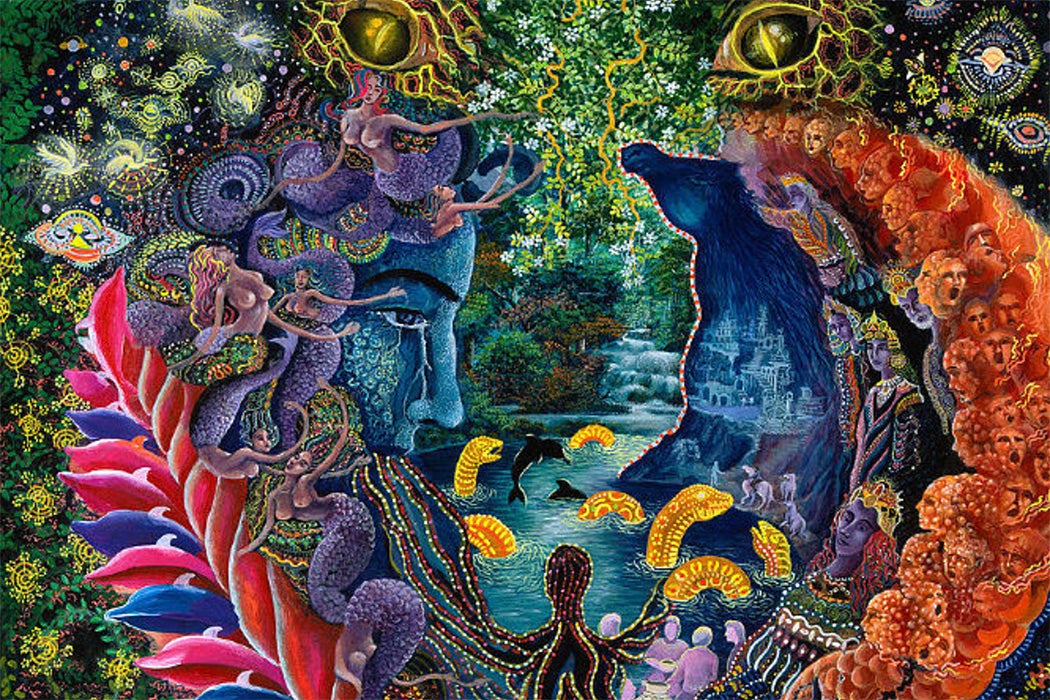
The Colonization of the Ayahuasca Experience
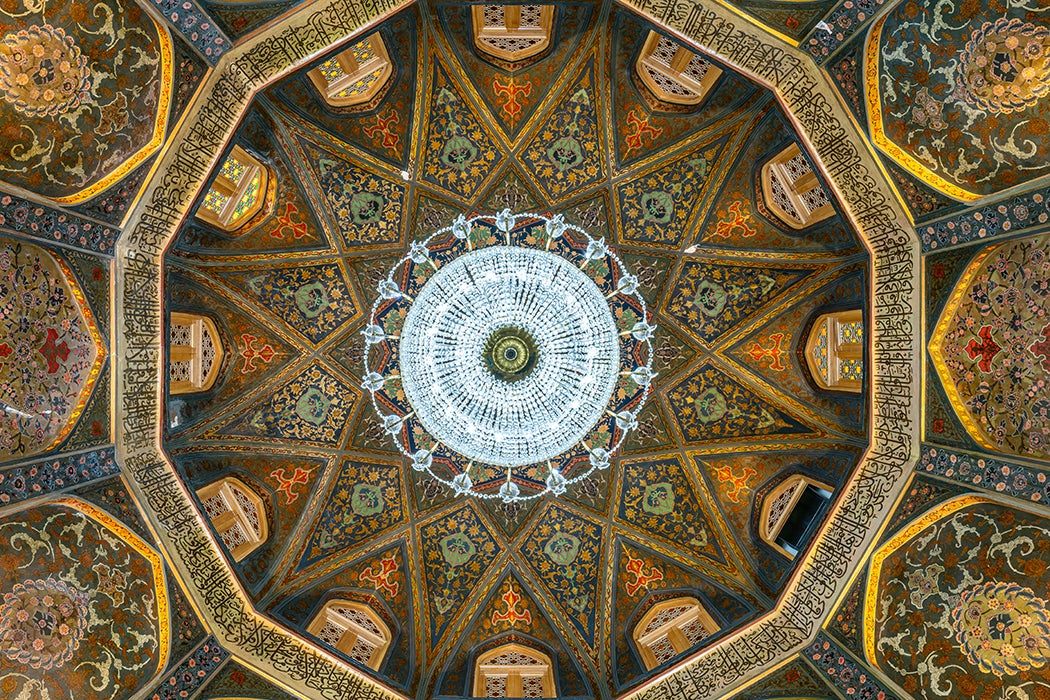
Scientific Seances in Twentieth-Century Iran
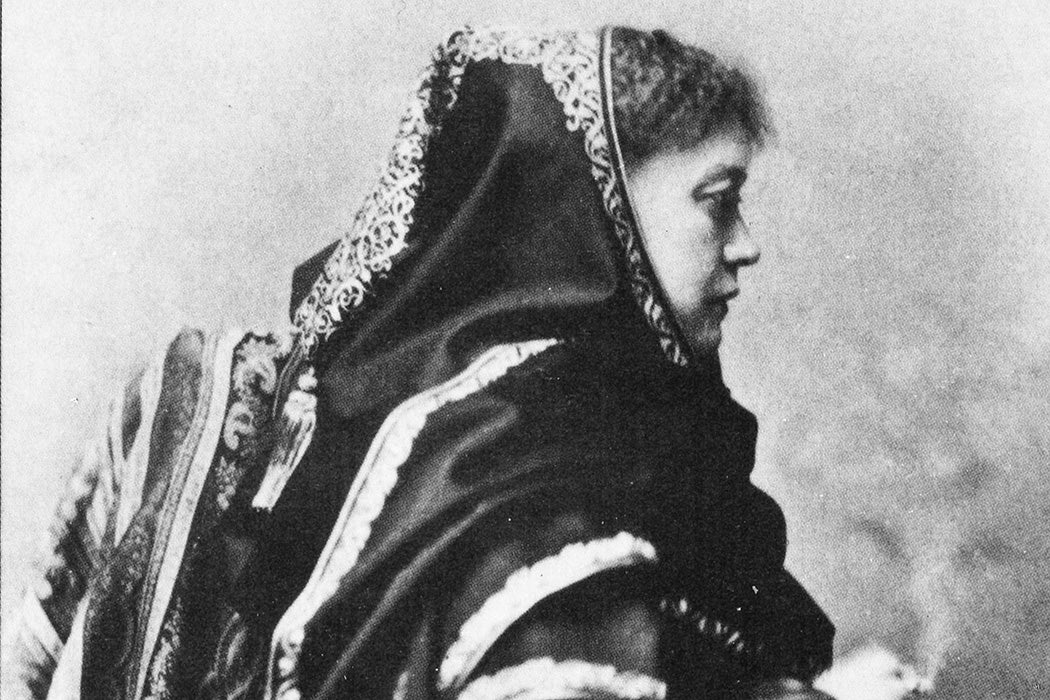
Spiritualism, Science, and the Mysterious Madame Blavatsky
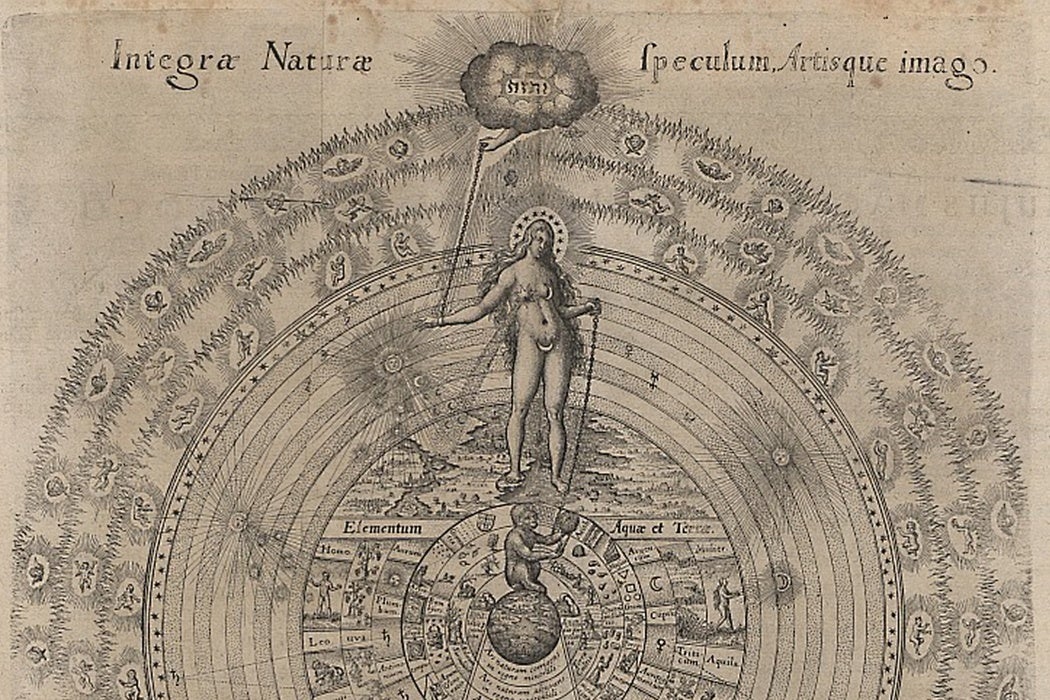
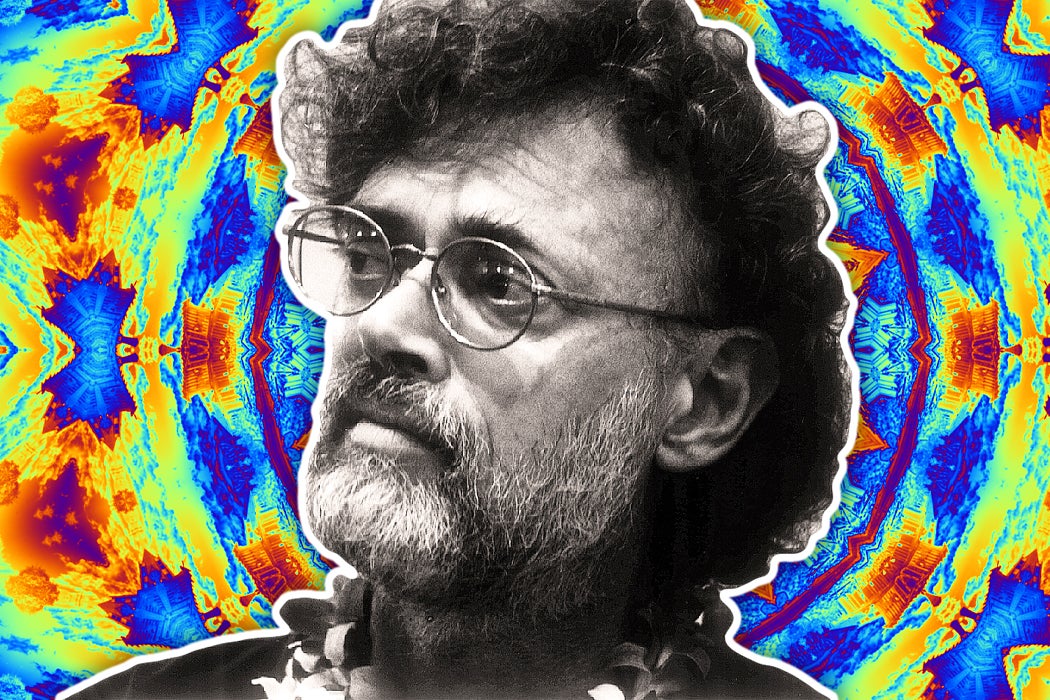
Terence McKenna’s Anarchic Psychedelic Religion
The Meme Made Flesh—Postmodernism and God

When Science and Religion Were Connected
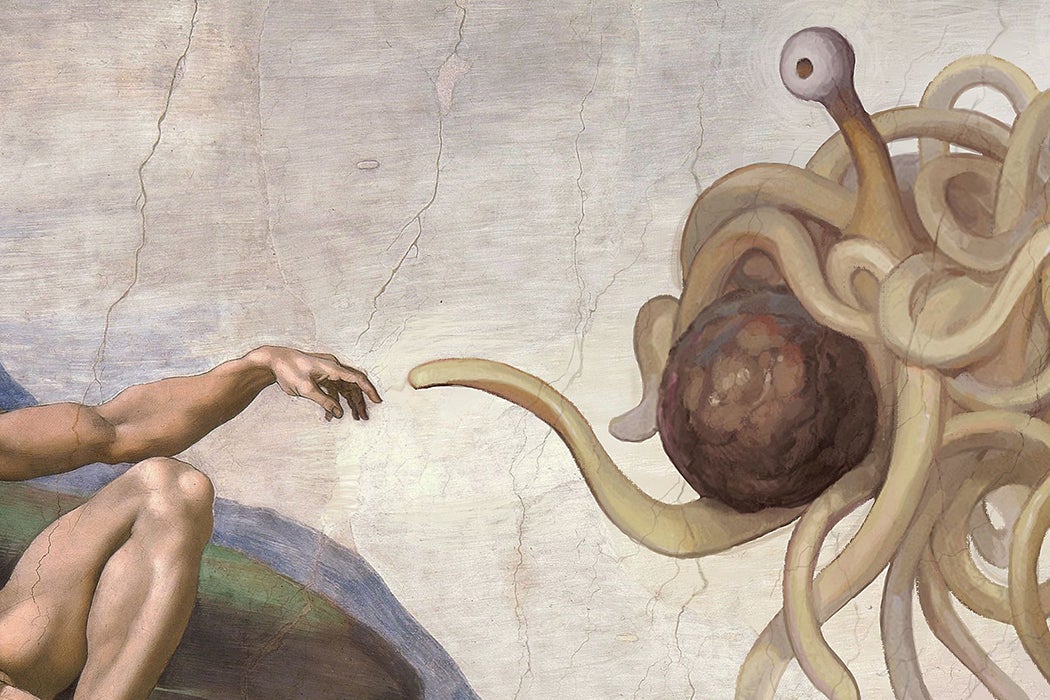
Flying Spaghetti Monsters and the Quest for Religious Authenticity

The Return of Ocular Communion
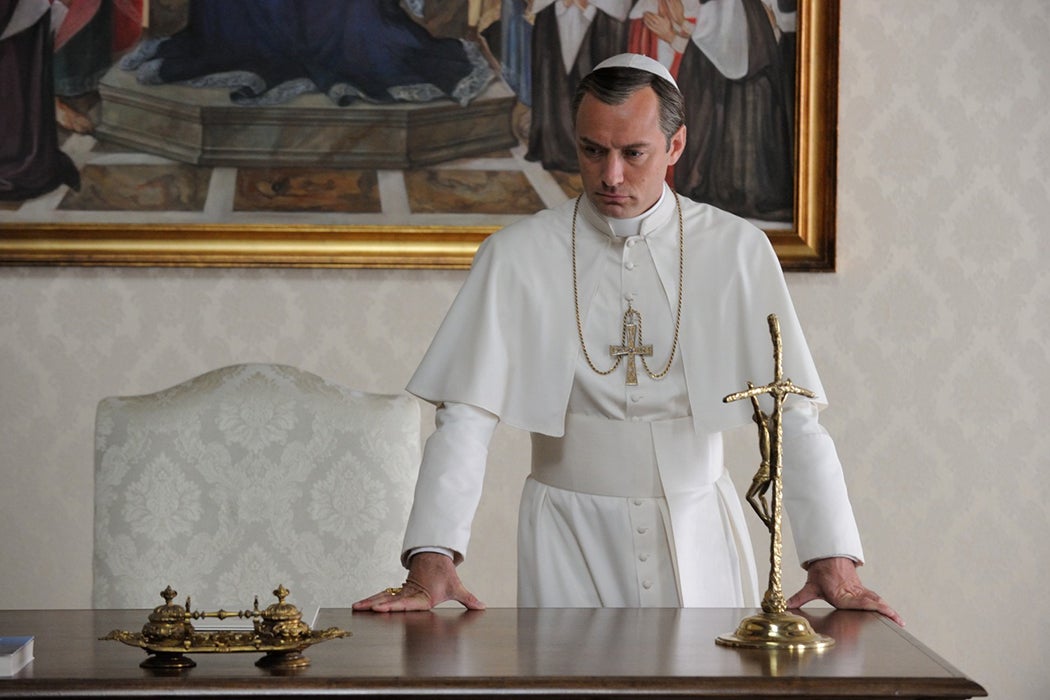
Why The Young Pope Matters
Black Death and the Godz of the New Pop Art

Kendrick Lamar and Black Israelism
John Gray: Cats Can Teach Us about the Meaning of Life
Cornel West: Neoliberalism Has Failed Us


_Georges_Merle.jpg)