
Samurai and Guerrillas: The First Official Japanese Visit
The first Japanese delegation to the US captivated crowds and confounded expectations, as the press cast its samurai as “effeminate.”

When the Dust Settles in Colonial Manchurian Writing
Takagi Kyōzō makes heavy use of natural imagery to decry the miserable status of the settler colonist population in Japanese-occupied Manchuria.
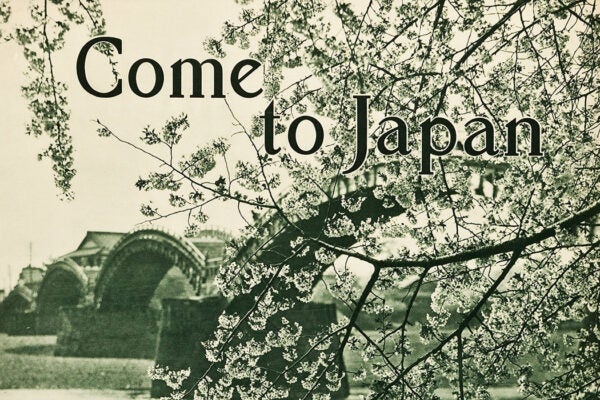
Western Travel Writers or Japanese War Propagandists?
Even as Japan courted Western tourists with images of exotic customs and untouched landscapes, the Second Sino-Japanese War raged across East Asia.

Blackface on Stage in “Old Japan”
The use of blackface may seem out of place in a Japanese-inspired stage production—until you think about the money to be made by dealing in stereotypes.
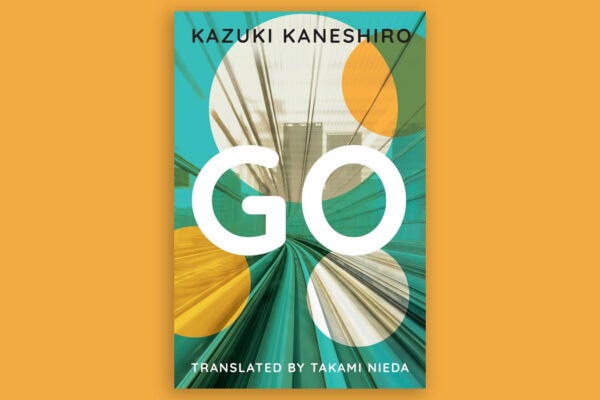
Race and American Pop Culture in Zainichi Stories
A close reading of the 1996 novel GO suggests zainichi identity is in dialogue with multiple national cultures, including American.
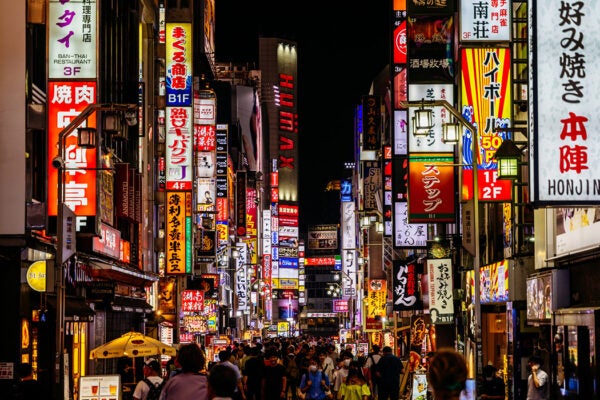
Pan-Asianism Redux, or Why We Think Japan Is Special
Observers have long hailed Japan’s aptitude for cultural synthesis. Is this characterization warranted, or does it reflect a collective fantasy about exceptionalism?
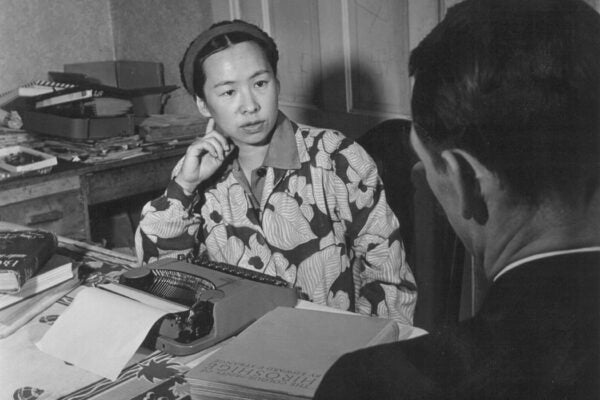
Dear Deirdre: The Japanese American Agony Aunt
Using the nom de plume Deirdre, California-born writer Mary “Mollie” Oyama Mittwer offered advice on changing gender roles and cross-ethnic relationships.
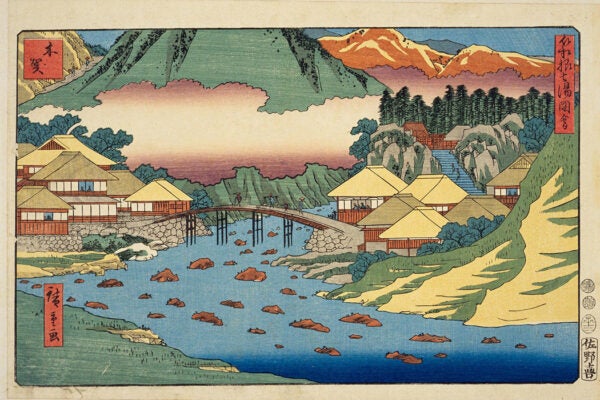
Reinventing Vacation in Japan
In the late nineteenth century, Japan adopted Western-style vacation, but not everyone was on board with the new leisure practices.
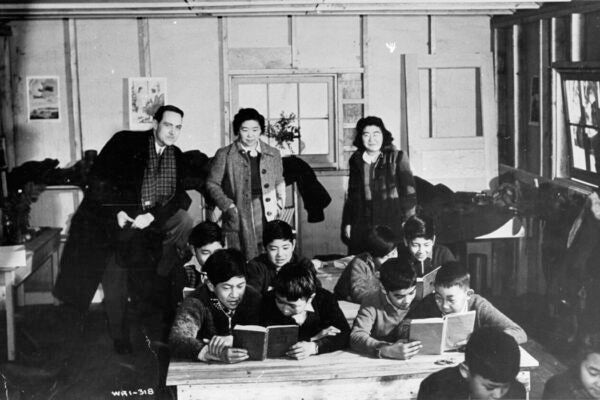
Disinheritance: The Internment of Japanese Canadians
Glenn McPherson, the bureaucrat largely responsible for selling off the property of interned Japanese Canadians during World War II, was also a secret agent.
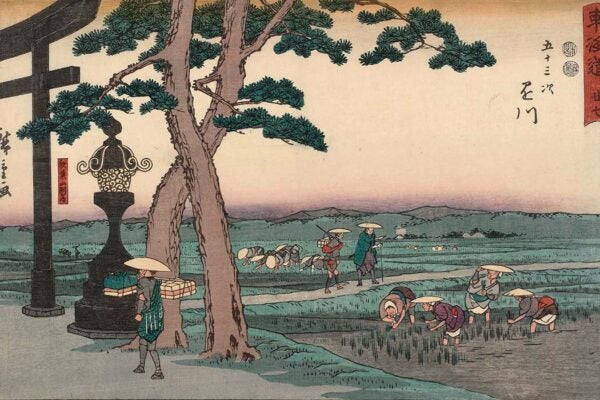
How a Rice Economy Toppled the Shogun
The co-existence of economies—one based on rice, the other on money—pushed the Tokugawa government toward financial misery and failure.