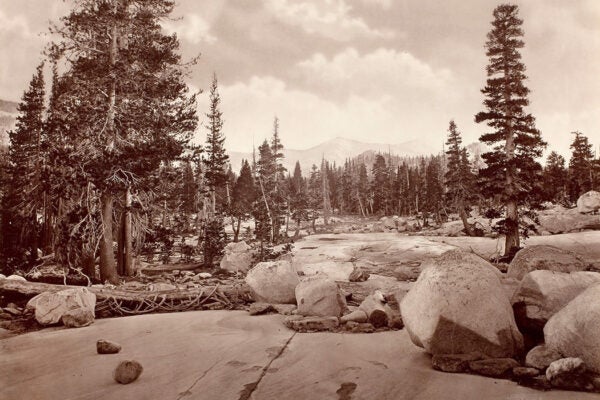
Living Laboratories: Science and the National Parks
National parks in the US are filled with glaciers and volcanoes, which isn't an accident, as the parks developed alongside the sciences of glaciology and volcanology.
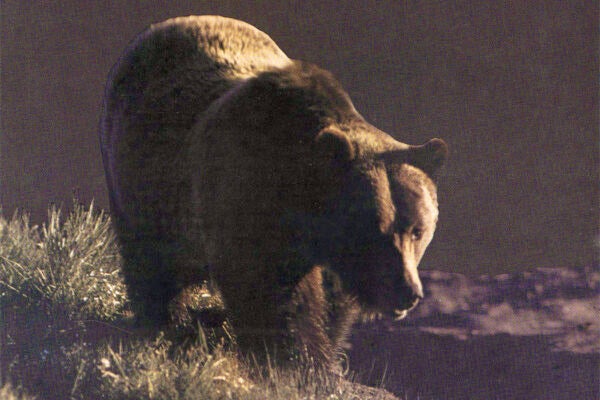
The Tamest Grizzly of Yellowstone
Adored by tourists and studied by scientists, a grizzly mother named Sylvia became an emblem of the fragile balance between humans and the wild.
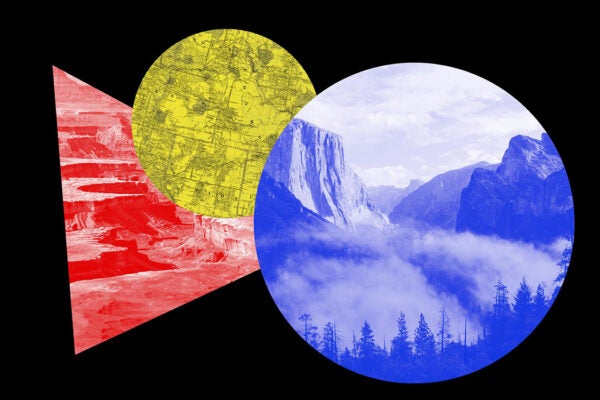
The Victory of Public Lands
Most Americans agree on the value of preserving public lands. How did the idea of public lands come about, and how can we ensure they exist in the future?

The Promise and Problems of Public Lands: A Reading List
Discover key research on U.S. public lands through scholarly works exploring conservation, Indigenous knowledge, and public policy.
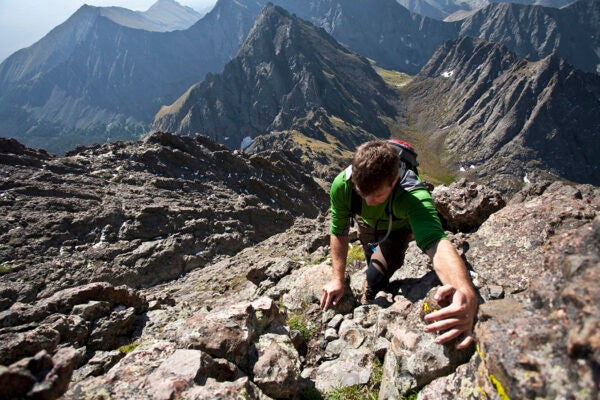
How Science Might Help Keep Wild Places Wild
Recreation researchers are studying how to minimize human impact on public lands while maximizing accessibility.
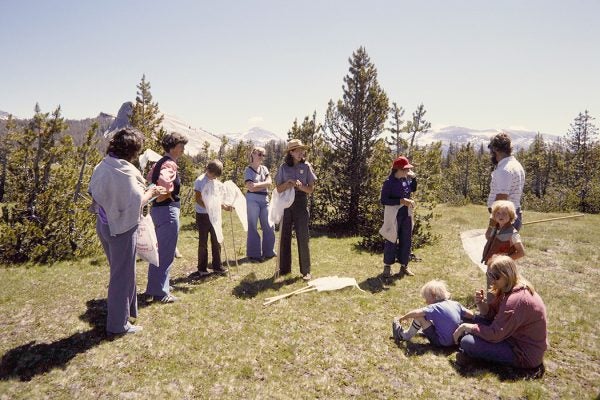
National Parks Are for Everyone
The majority of national park visitors—roughly seventy-eight percent—are white? Why, and why does that need to change?
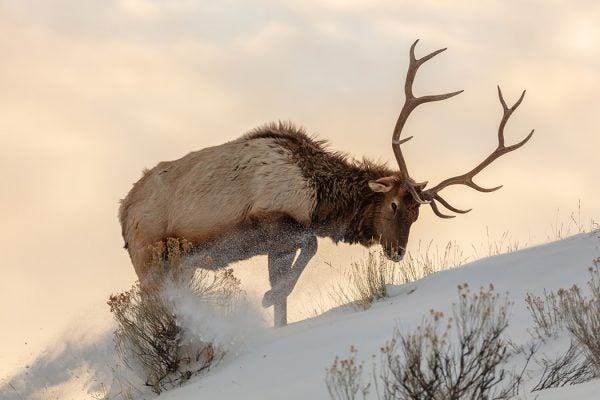
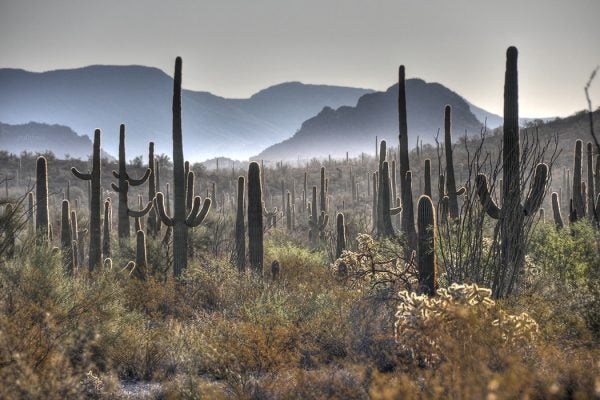
Bulldozers Versus Biodiversity, Then and Now
Trump's border wall threatens habitats in Arizona's Sonoran Desert. What happened when the area was bulldozed in the 1950s?
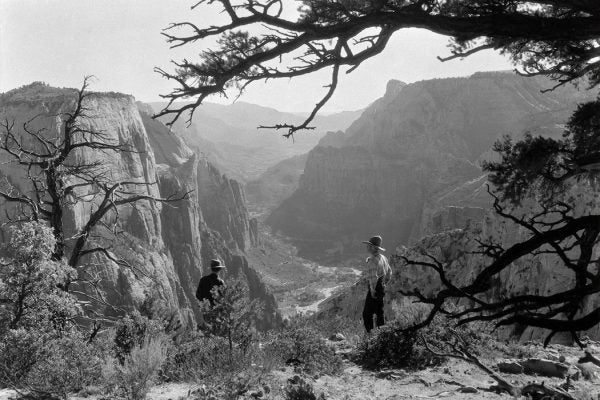
When the Park Ranger Was Not Your Friend
Early twentieth-century National Park Service Rangers were a notoriously rough-and-tumble lot.
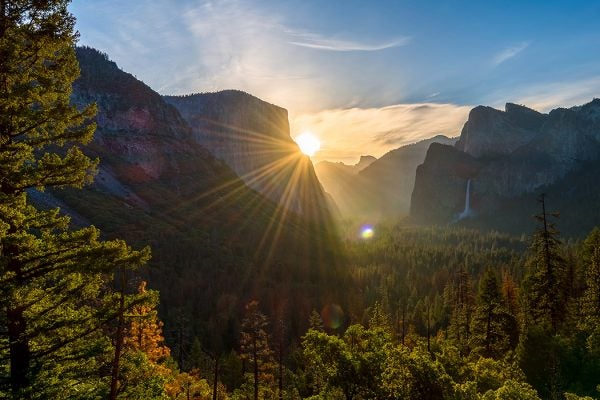
Will National Parks Disappear Due to Climate Change?
Temperatures and droughts have spiked at much higher rates in parks than elsewhere.