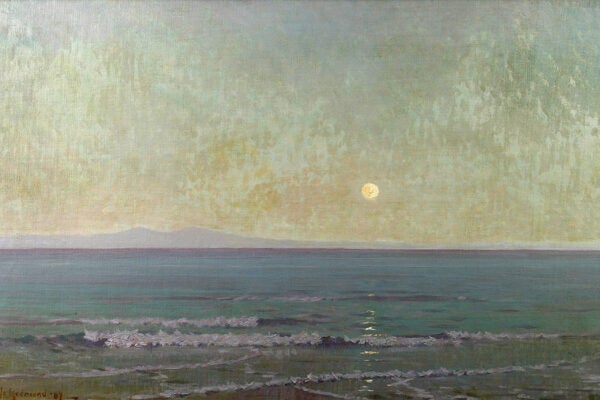
Explaining the Tides Before Newton
Astronomical explanations for tides, usually credited to Isaac Newton, can be traced to thinkers like Strabo and Pliny in the Classical era.

Arthur C. Clarke’s Scuba Adventures and Ocean Frontiers
Clarke’s interest in oceanic exploration in the 1950s was, like his undersea fiction, often neglected by an audience focused on the race for outer space.
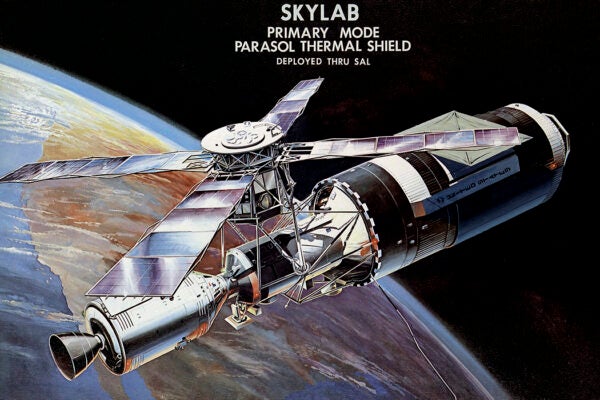
Skylab, Sealab, and the Psychology of the Extreme
During the Cold War, small groups of Americans lived together in space and at the bottom of the sea, offering psychologists a unique study opportunity.
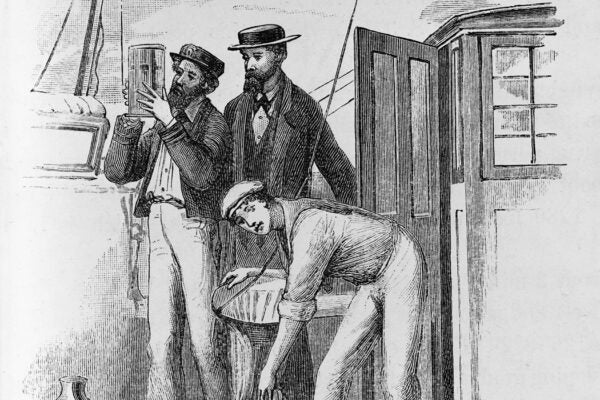
HMS Challenger and the History of Science at Sea
Sailing ships were once used as scientific instruments themselves, but in the 1800s, ships like the Challenger were transformed into floating laboratories.
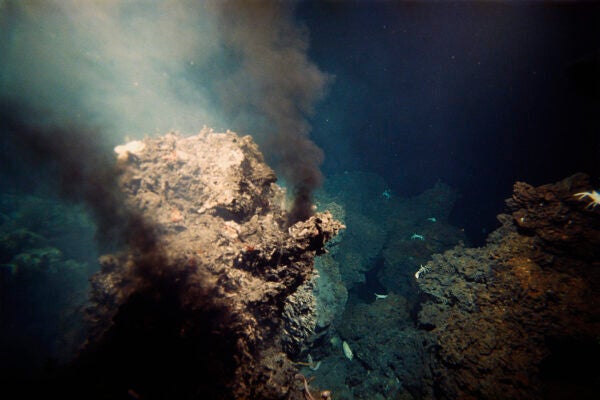
The Ocean Vents Where Life on Earth Likely Began
In a recent paper, biologists outlined a three-part hypothesis for how all life as we know it began.
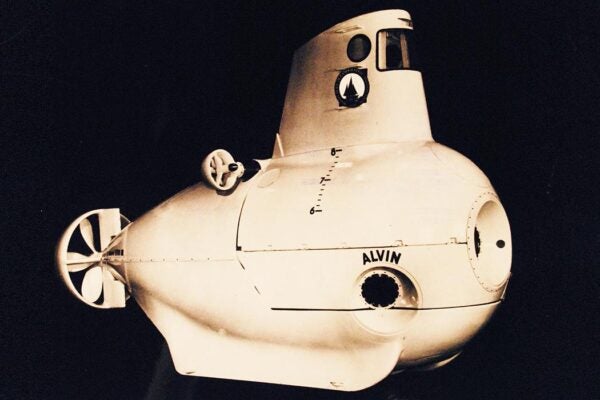
A Cold War Baby: Happy Birthday, Alvin!
The submersible Alvin is sixty years old this year. Numerous overhauls and upgrades have kept the craft going down (and coming back up!).
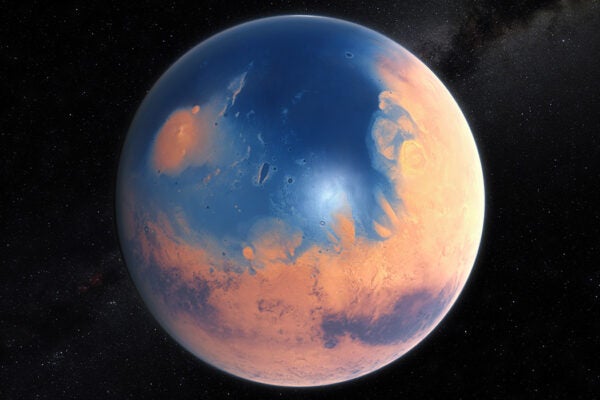
How Mars Lost Its Magnetic Field—and Then Its Oceans
Chemical changes inside Mars's core caused it to lose its magnetic field. This, in turn, caused it to lose its oceans. But how?

Pius “Mau” Piailug: Master Navigator of Micronesia
Mau used traditional skills to guide a canoe from Hawaiʻi to Tahiti, sharing his navigational knowledge with others to keep the wayfinding traditions alive.

Marshall Islands Wave Charts
Charts constructed of carefully bound sticks served as memory aids, allowing sailors of the Marshall Islands to navigate between the islands by feel.