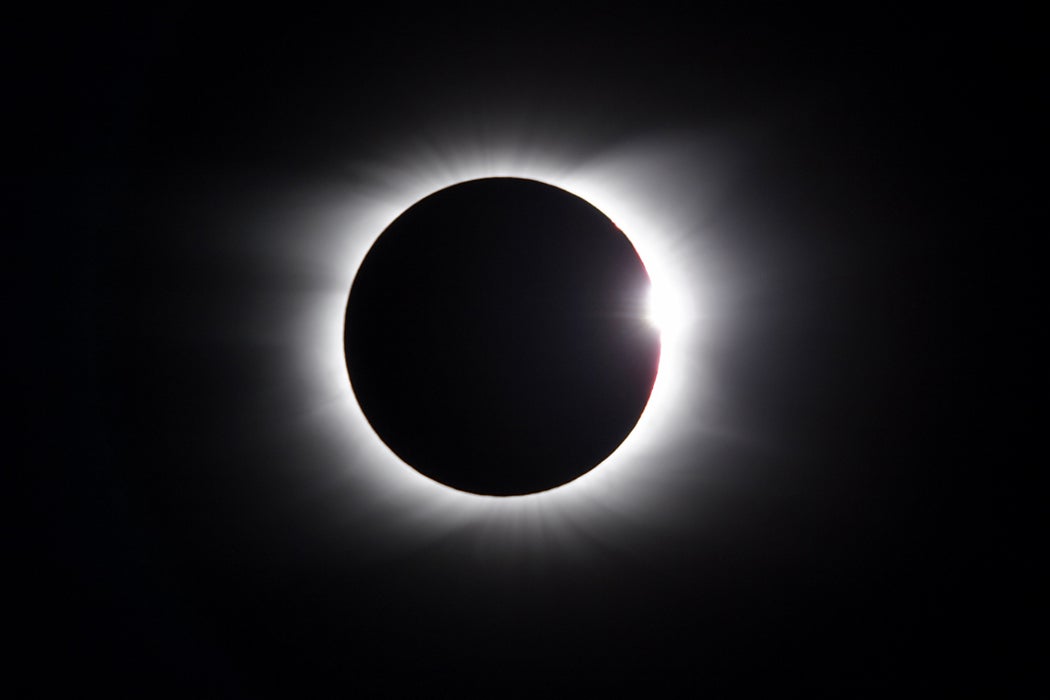
On Monday, April 8, 2024, a total solar eclipse will cross North America, passing over parts of Mexico, the United States, and Canada. Totality, when the Moon completely blocks the Sun from the vantage point of Earth, will occur along a path approximately 115 miles wide that runs northeast from the west coast of Mexico through Texas and the central US to southern Canada, New England, and the Maritime Provinces. A partial eclipse will be visible from all 48 contiguous US states plus Hawaiʻi, weather permitting.
NASA and timeanddate can help you plan your viewing and estimate how long totality will last at your location (never long enough!). The American Astronomical Society offers guidelines for viewing safety—never look directly at the Sun without eye protection; the damage to vision is irreversible. You may remove eye projection during totality—not a second before. And be careful to protect your eyes before the end of totality. Some observers use timers to make sure they won’t be caught off guard by the end of the spectacle. Inexpensive eclipse-viewing glasses can be ordered online; follow the AAS guidelines to ensure you’re purchasing a quality product. The AAS has also shared instructions for indirect viewing of the event through pinhole projectors and colanders (really).
We’re here to tell you everything else you need to know about solar eclipses and the history of human reactions to them. Who first accurately predicted an eclipse? What do scientists learn when the Moon comes between Earth and Sun? What exactly are we talking about when we discuss the Sun’s shadow? The stories below answer these questions and more. Read on to prepare for the upcoming eclipse—and don’t forget the eye protection!
Science and the Eclipsed Sun
An Eclipse is a Scientific Bonanza
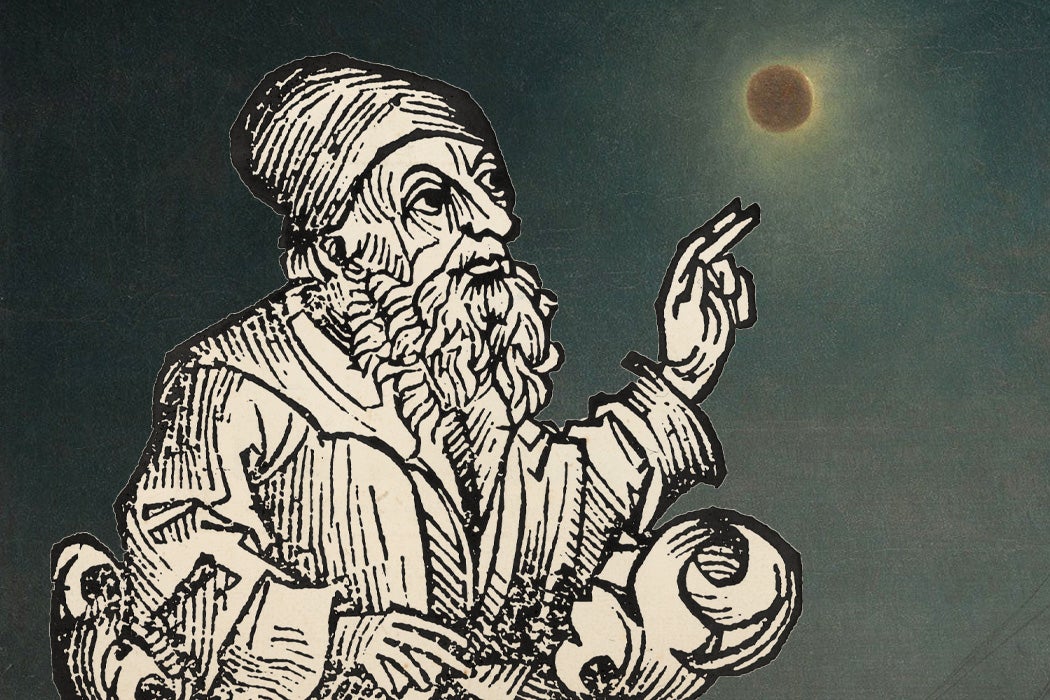
Anaxagoras and the Eclipse: The First to Get It Right
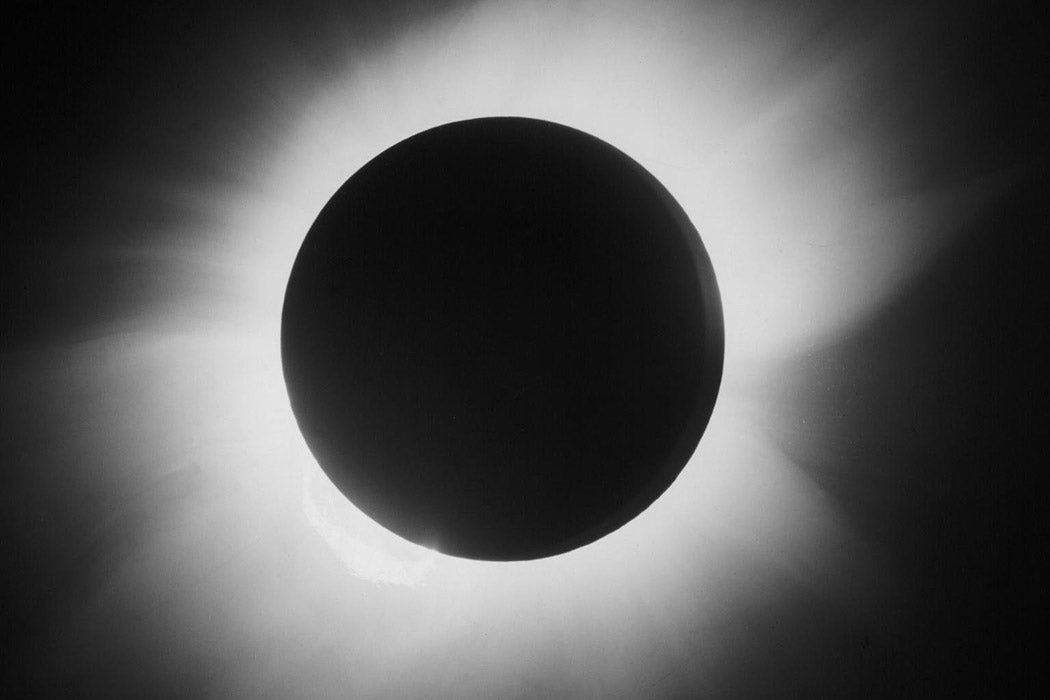
Bridging The Gap of War: Einstein’s Eclipse
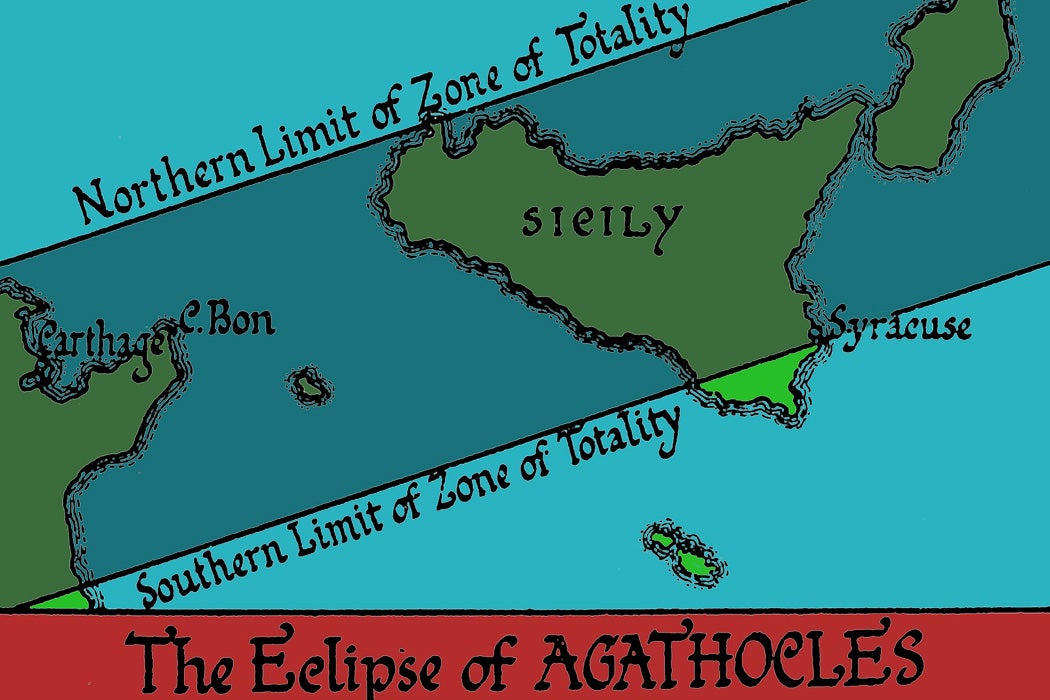
How Astronomers Write History
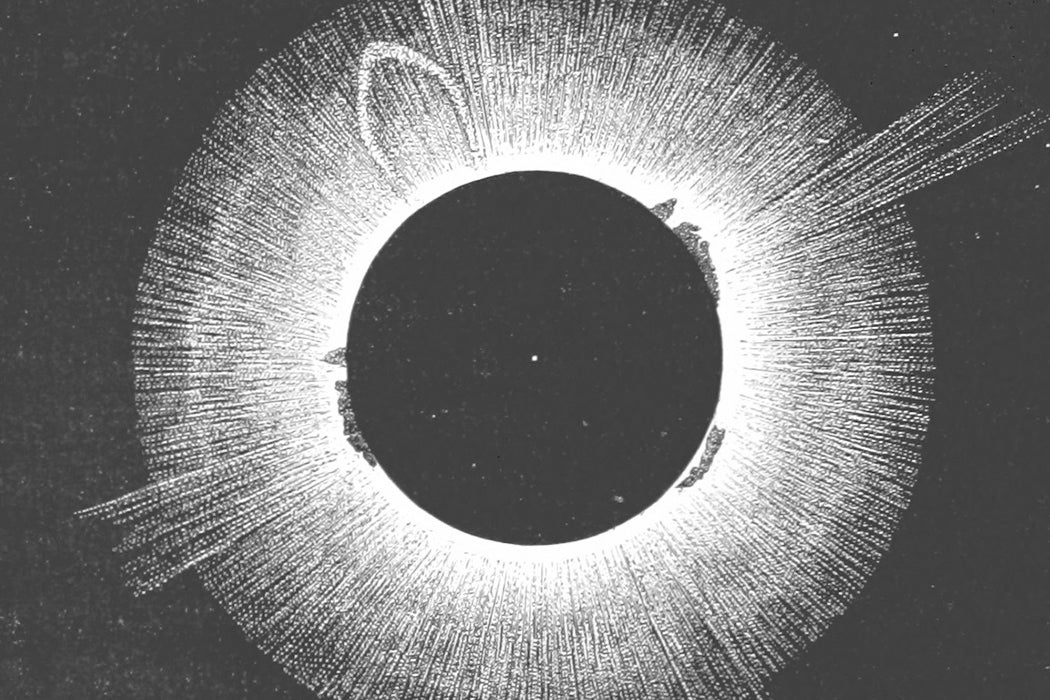
Solar Eclipse Tourism: The Victorians Were the Pioneers

Dragon Swallows the Sun: Predicting Eclipses in China

Do We Actually See Shadows?
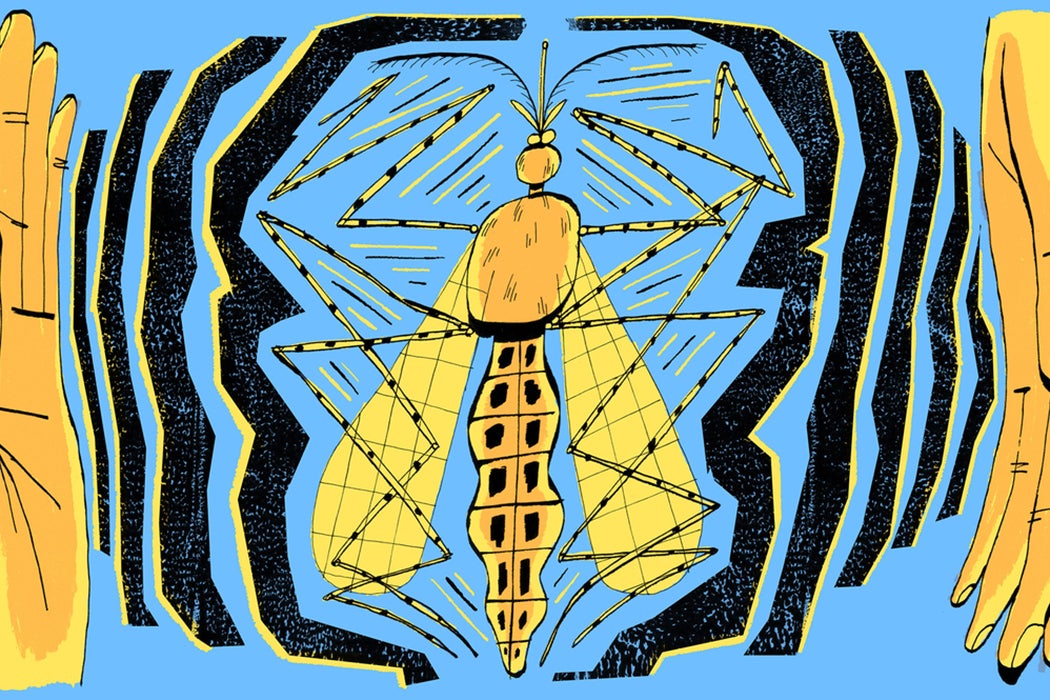
Why We Need to Start Listening to Insects
Astonishing Moments in the History Astronomy
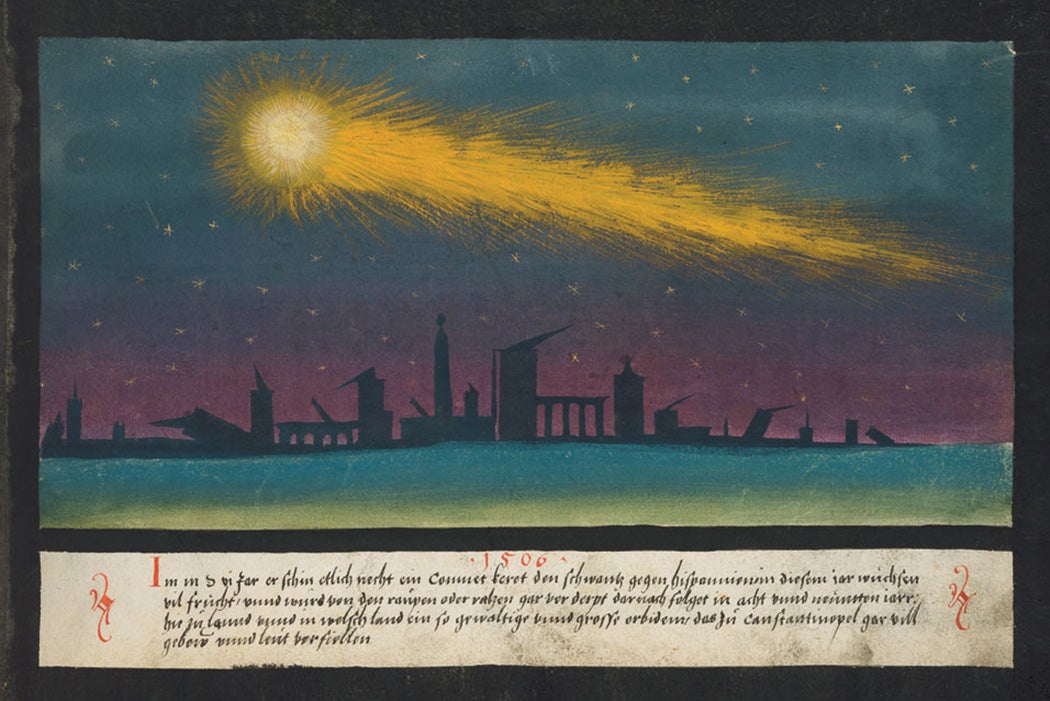
The Long History of Comet Phobia
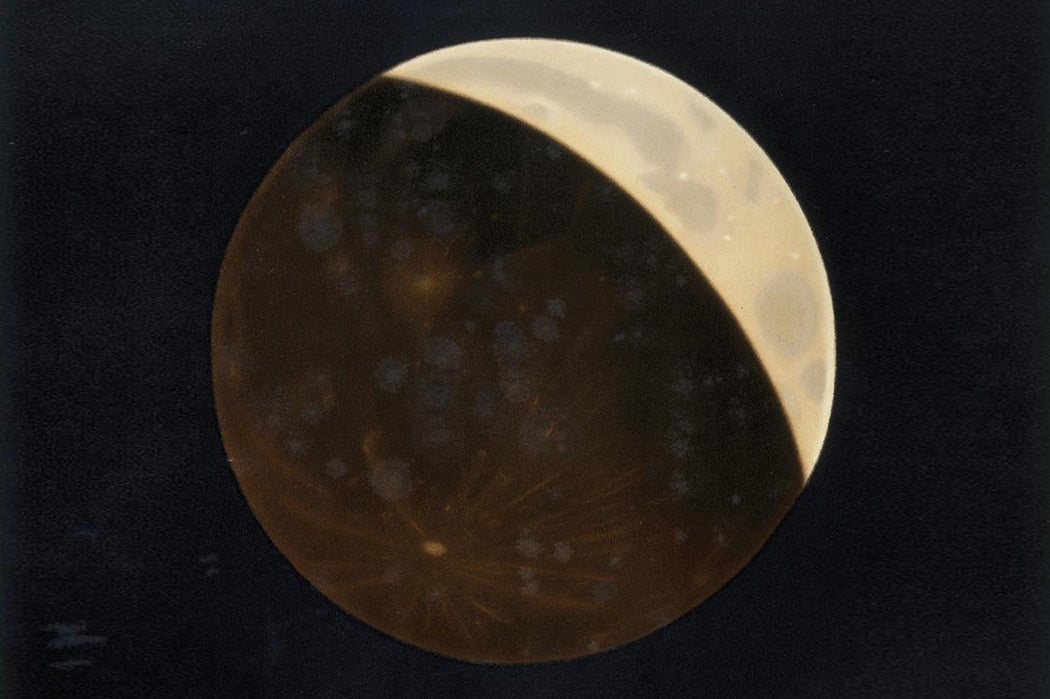
Trouvelot’s Total Lunar Eclipse
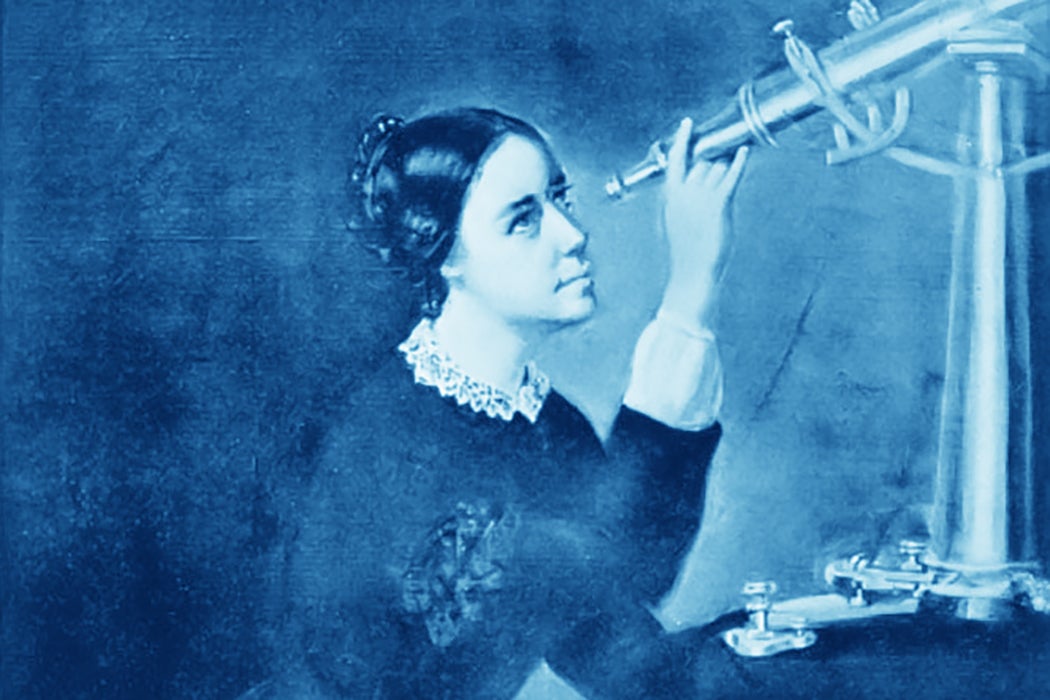
America’s First Woman Astronomer
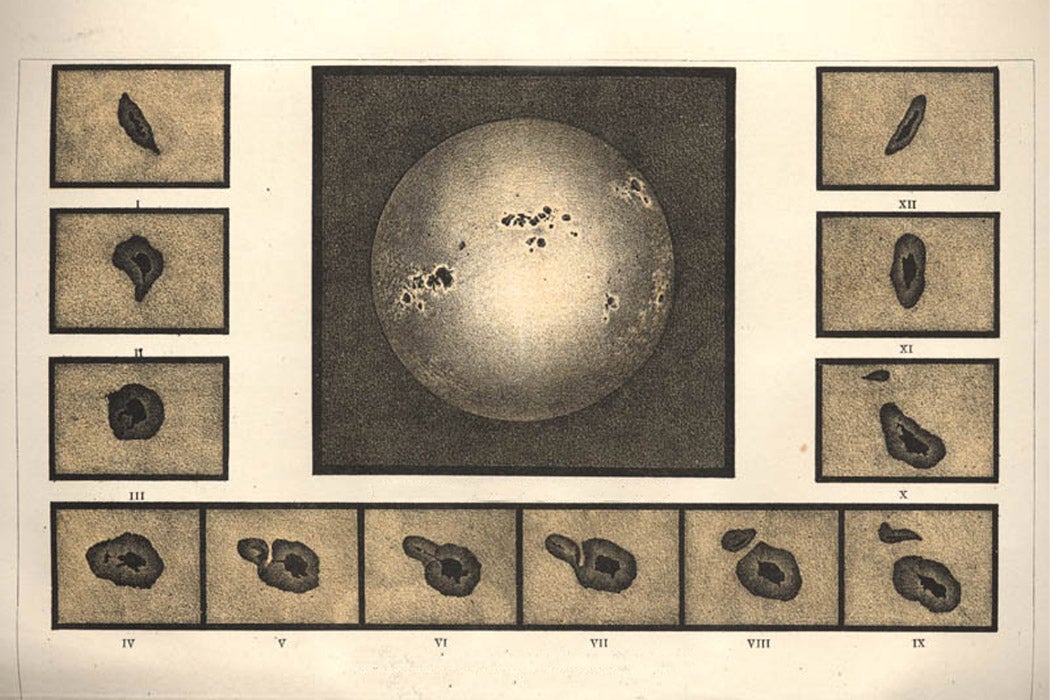
Do Sunspots Explain Global Recession, War, or Famine?
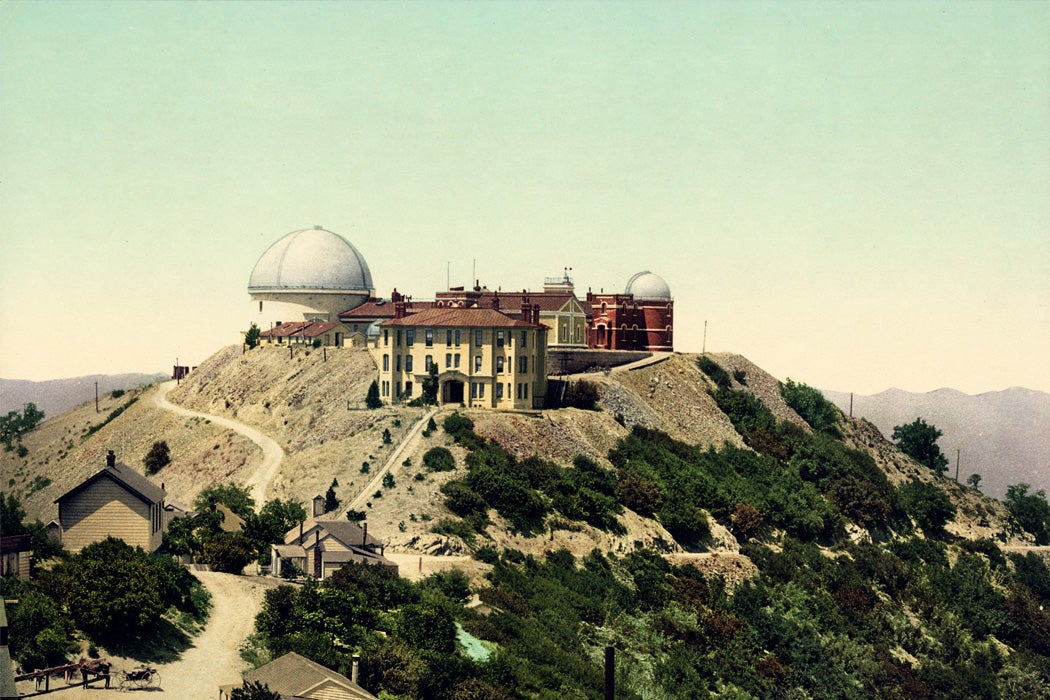
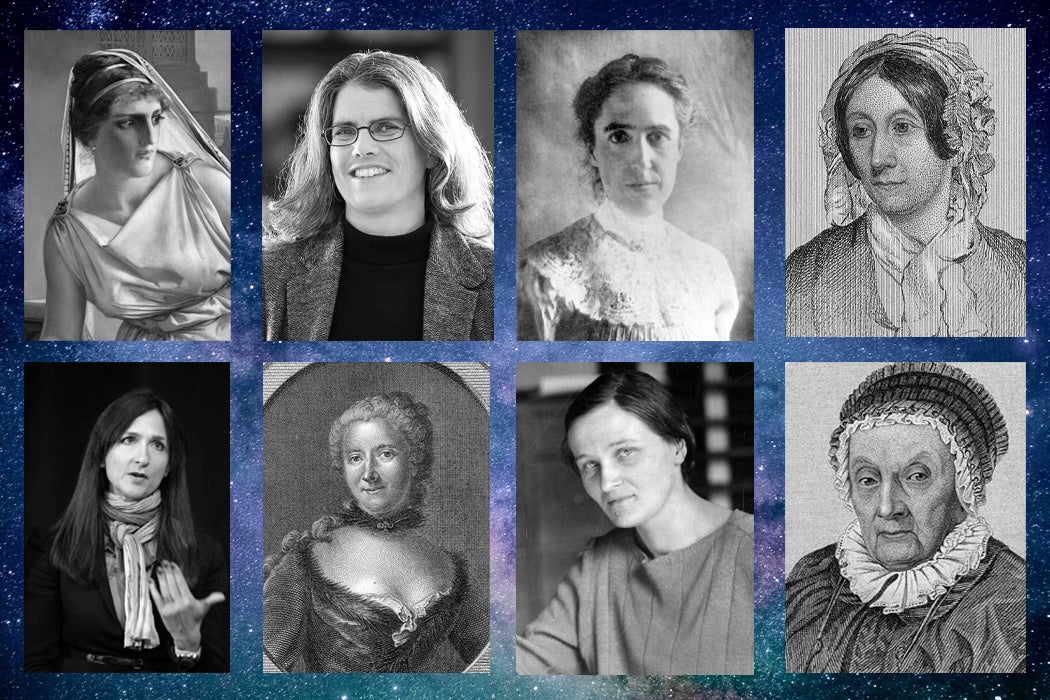
The Women Who Made Male Astronomers’ Ambitions Possible
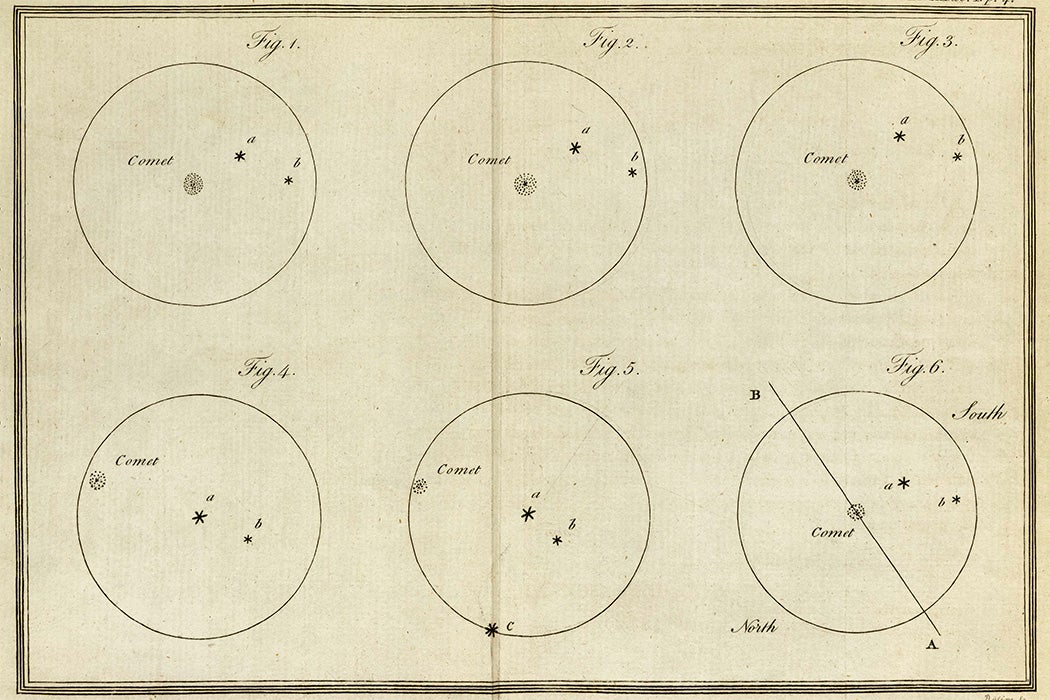
Caroline Herschel Claims Her Comet
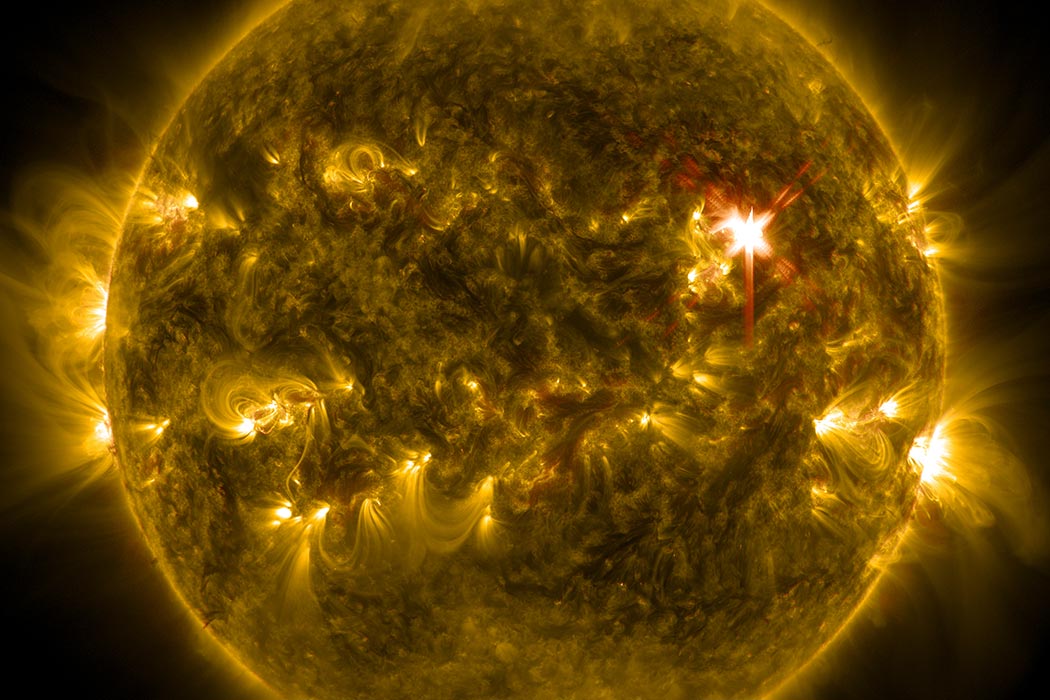
The Threat of Solar Flares
How to See the Invisible Universe
Ole Rømer and the Speed of Light